Unit 5.3
Fundamentals of Social Computing in Business
Learning Objectives
By the end of this session, you will be able to:
- ✅ Define Social Computing in a business context.
- ✅ Explain the shift from a one-way to a two-way conversational model.
- ✅ Describe key concepts like social commerce, social marketing, and crowdsourcing.
- ✅ Identify the main business benefits of adopting social computing.
What is Social Computing in Business?
Social Computing (or Enterprise Social) is the use of social tools and philosophies to support and enhance business activities with both customers and employees.
It's a strategic shift in communication and collaboration.
🎯 The core idea: Move from broadcasting to engaging.
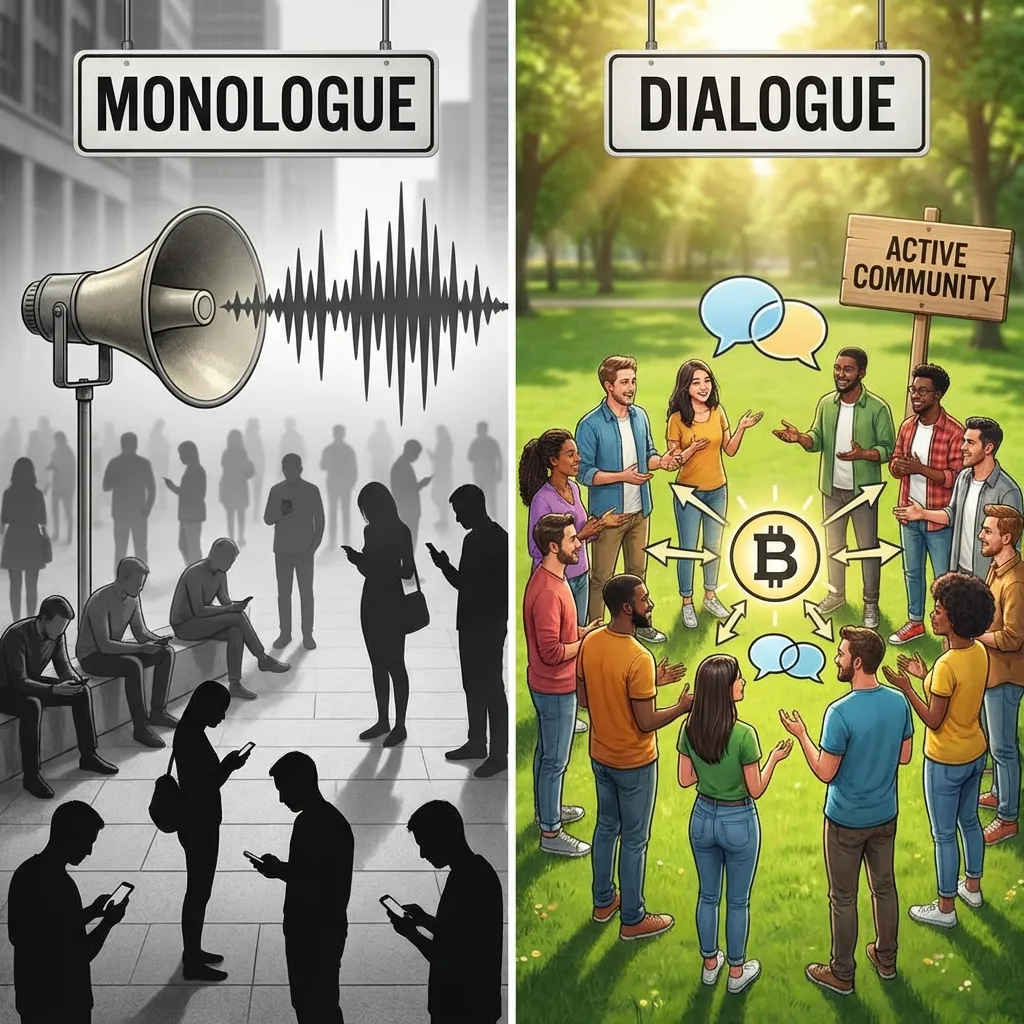
The Shift: One-Way vs. Two-Way Communication
📢 Traditional Model (One-Way)
- Business broadcasts messages.
- Customers are a passive audience.
- Internal comms are top-down (management ➝ employees).
- Example: TV ads, press releases.
💬 Social Computing Model (Two-Way)
- Business engages in a dialogue.
- Customers provide public feedback and share experiences.
- Internal comms are collaborative across departments.
- Example: Replying to tweets, Instagram Q&A sessions.
Key Concepts in Social Business
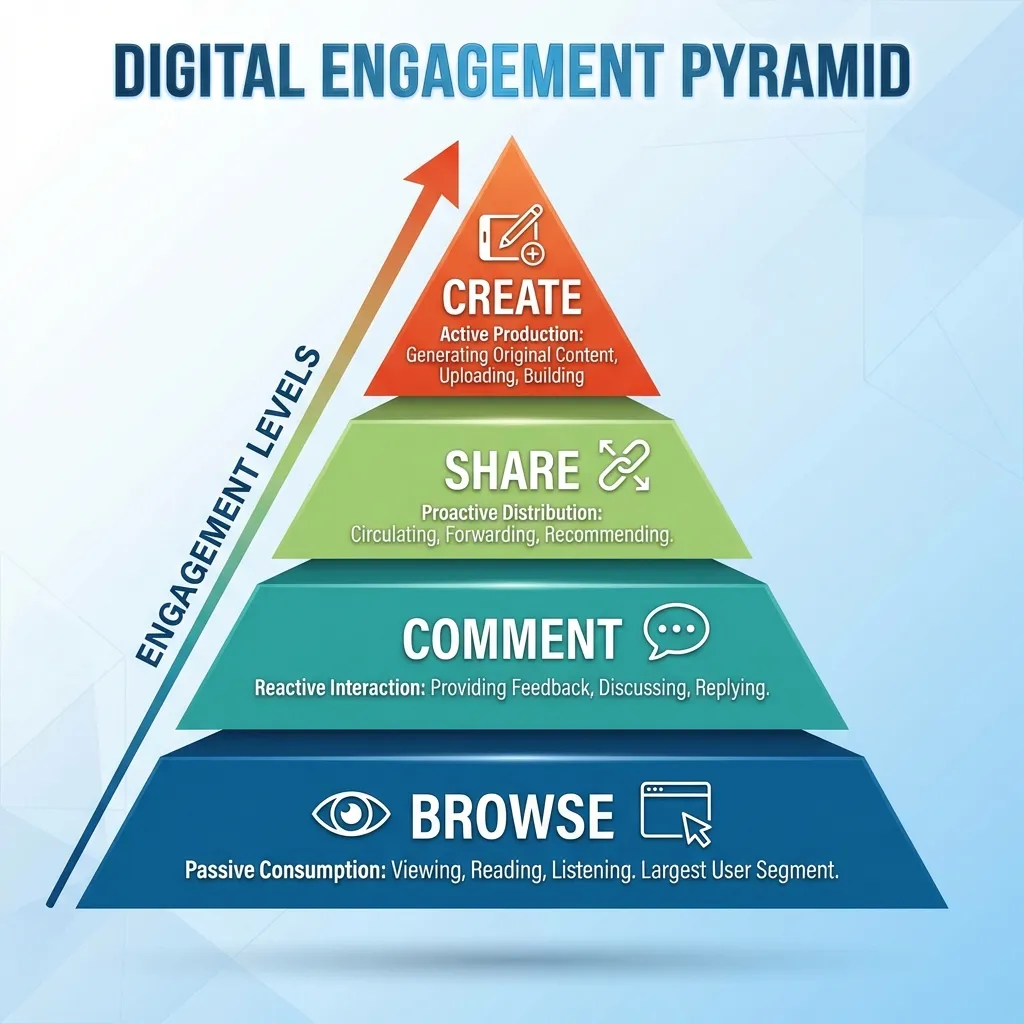
Social computing has given rise to several powerful business strategies:
- Social Commerce
- Social Marketing
- Crowdsourcing
- Enterprise Social Networks (ESNs)
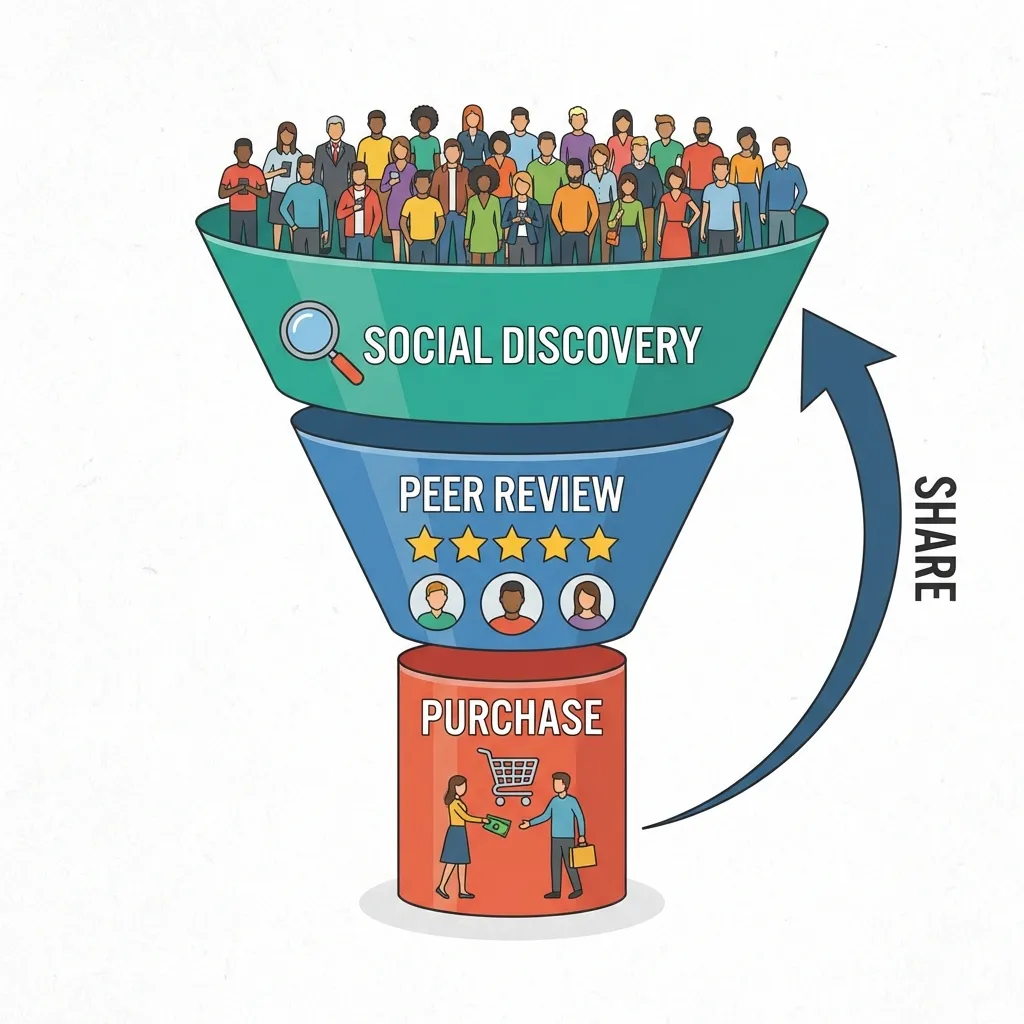
1. Social Commerce 🛒
Using social media and online interactions to facilitate the buying and selling of products and services.
Examples:
- Shoppable posts and stories on Instagram.
- Customer reviews and ratings on e-commerce sites.
- "Buy" buttons directly on Facebook or Pinterest.
🇳🇵 Nepal Context: Many small businesses in Nepal use Instagram and Facebook pages as their primary storefront, handling orders and customer queries directly through DMs and comments.
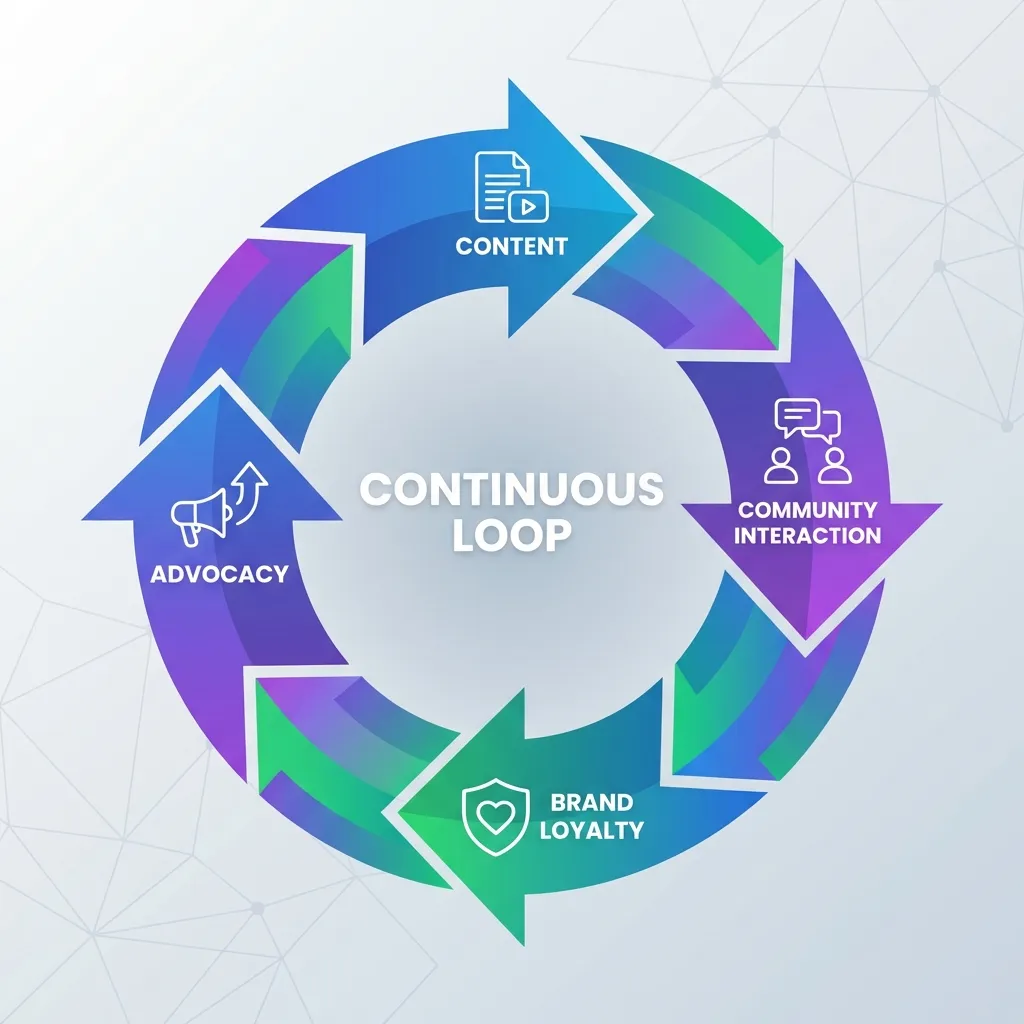
2. Social Marketing 📈
Using social media platforms to build a community around a brand by creating valuable and shareable content.
The goal is community engagement, not just direct advertising.
Examples:
- Viral video campaigns on YouTube or TikTok.
- Engaging with customers on Twitter using brand personality.
- Partnering with influencers to showcase products.
3. Crowdsourcing 🧠
Outsourcing a task to a large, undefined group of people (the "crowd") through an open call, usually online.
Leverages the collective intelligence of the public.
Classic Example: LEGO Ideas, where fans submit and vote on new set designs.
Modern Example: Waze, which uses real-time traffic data from its community of drivers to find the best routes.

4. Enterprise Social Networks (ESNs) 🏢
A private, internal social network used within a single organization to improve collaboration and communication.
Goal: Break down silos!
- Connect employees across departments and locations.
- Make it easier to find information and experts.
- Improve knowledge sharing and company culture.
Examples: Slack, Microsoft Yammer, Workplace by Facebook.

⚡ Business Benefits of Social Computing
- Increased Brand Awareness & Loyalty: Build a strong community.
- Improved Customer Service: Respond to issues publicly and quickly.
- Enhanced Employee Engagement: ESNs foster a connected workforce.
- Faster Innovation: Use social listening and crowdsourcing for new ideas.
Practical Application in Nepal 🇳🇵
🔍 Case Study: Digital Wallet Customer Service
Companies like eSewa and Khalti actively use their Facebook and Twitter pages not just for marketing, but as primary customer support channels.
- Users post transaction issues or queries publicly on their page.
- The company responds quickly, often directing the user to a DM for sensitive info.
- Benefit: This public two-way conversation builds trust and shows other potential customers that they are responsive.
Key Takeaways
Remember these core principles:
- Conversation over Broadcast: Social business is about two-way dialogue.
- Key Tools: Social commerce, marketing, crowdsourcing, and ESNs are the building blocks.
- Major Benefits: Drives customer loyalty, improves service, enhances collaboration, and accelerates innovation.
- Listen First: The most valuable insights come from listening to your customers and the crowd.
Thank You!
Any questions?
Next Up: Unit 5.4 - Social Shopping, Marketing, and Customer Relationship Management