Unit 5.1
Unit 5 Intro: Social Computing in Business
Learning Objectives 🎯
By the end of this introductory chapter, you will be able to:
- ✅ Define social computing and its core principles.
- ✅ Explain the fundamental shift from solitary to collaborative computing.
- ✅ Recognize the role of Web 2.0 as the foundation for social computing.
- ✅ Identify key business applications of social computing.
What is Social Computing?
Definition: A paradigm focused on using computing and the internet to support and enhance social interaction, collaboration, and community building.
It's a shift from technology as a tool for individual productivity to technology as a platform for human connection.
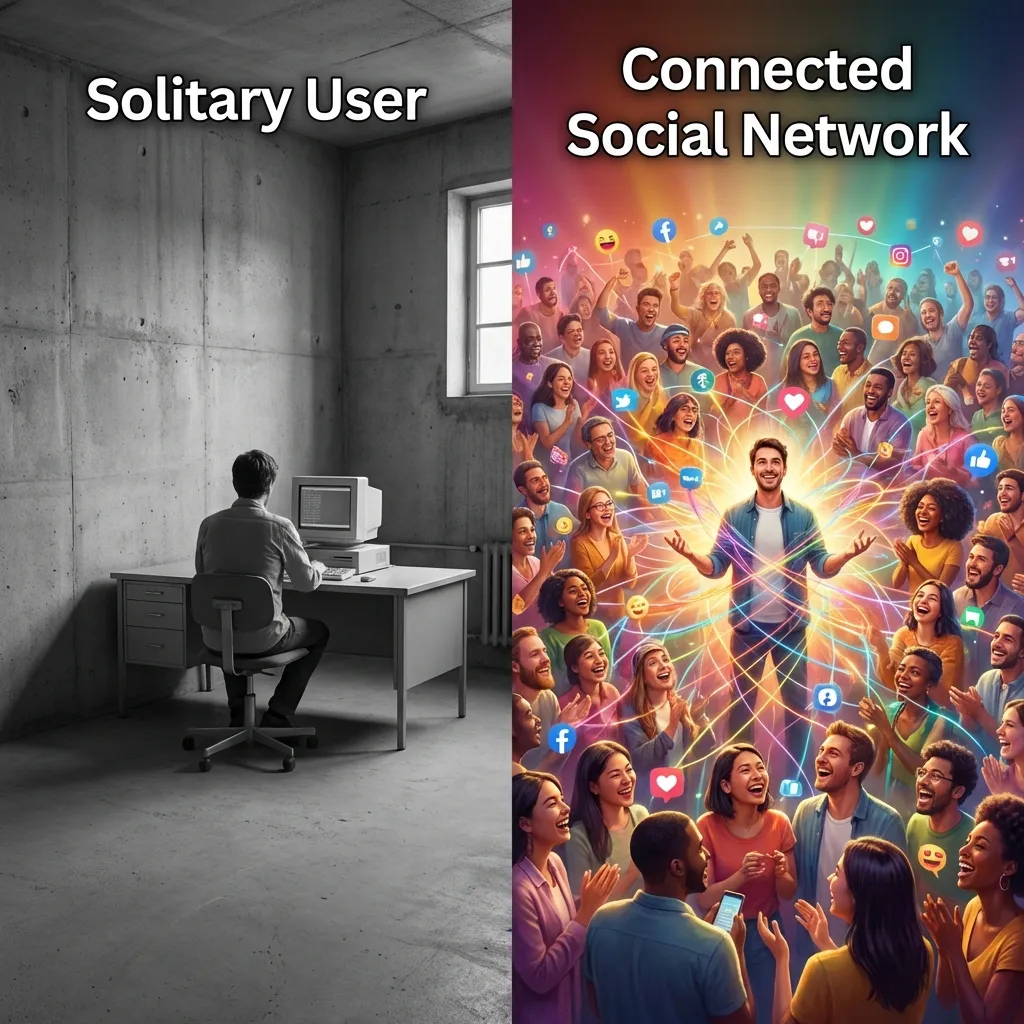
A Fundamental Shift in Paradigm
Traditional Computing
- 👤 Solitary Activity
- 💻 One person, one machine
- 📥 Static information consumption
- 🏢 Top-down content flow
Social Computing
- 👥 Collaborative & Interactive
- 🌐 Many people, many devices
- 📤 Dynamic content creation
- 🧑🤝🧑 Peer-to-peer sharing
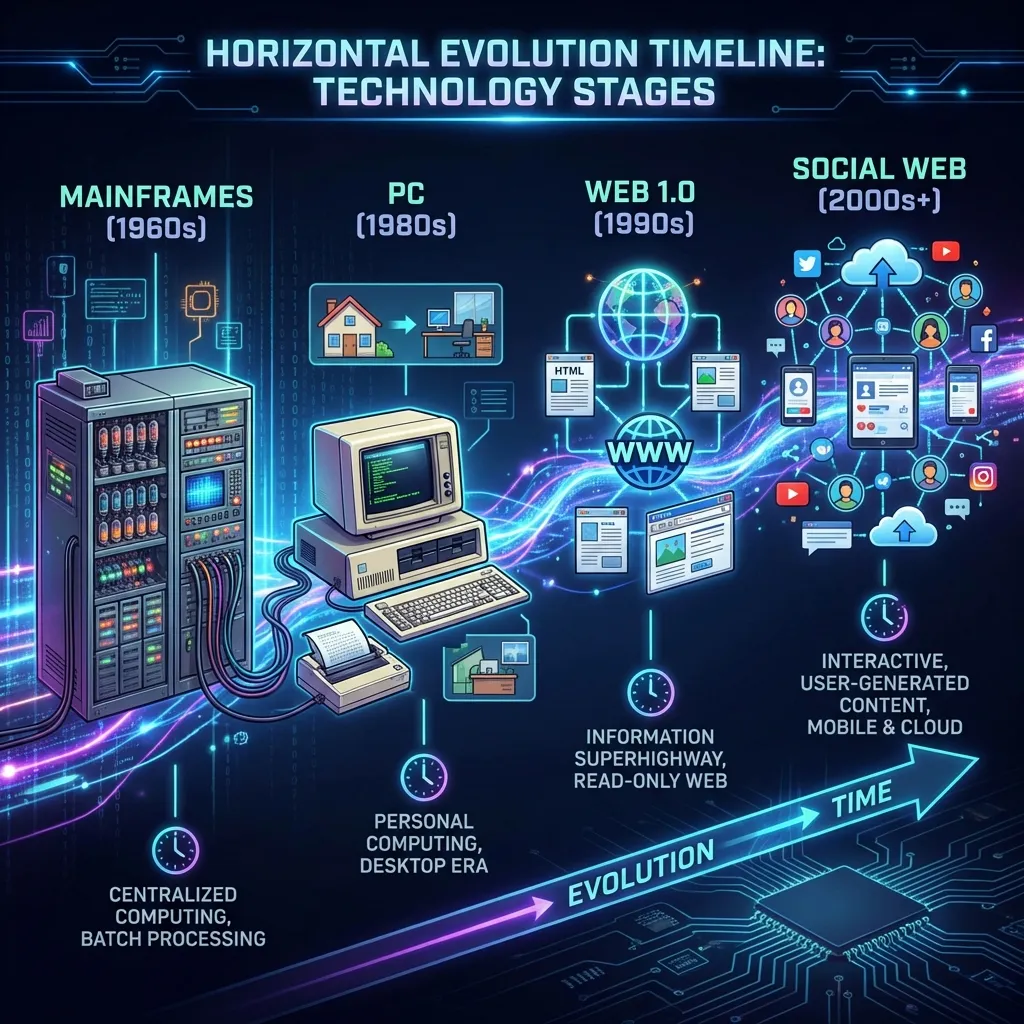
The Engine: Web 2.0 ⚡
Social computing is powered by the technologies and philosophies of Web 2.0.
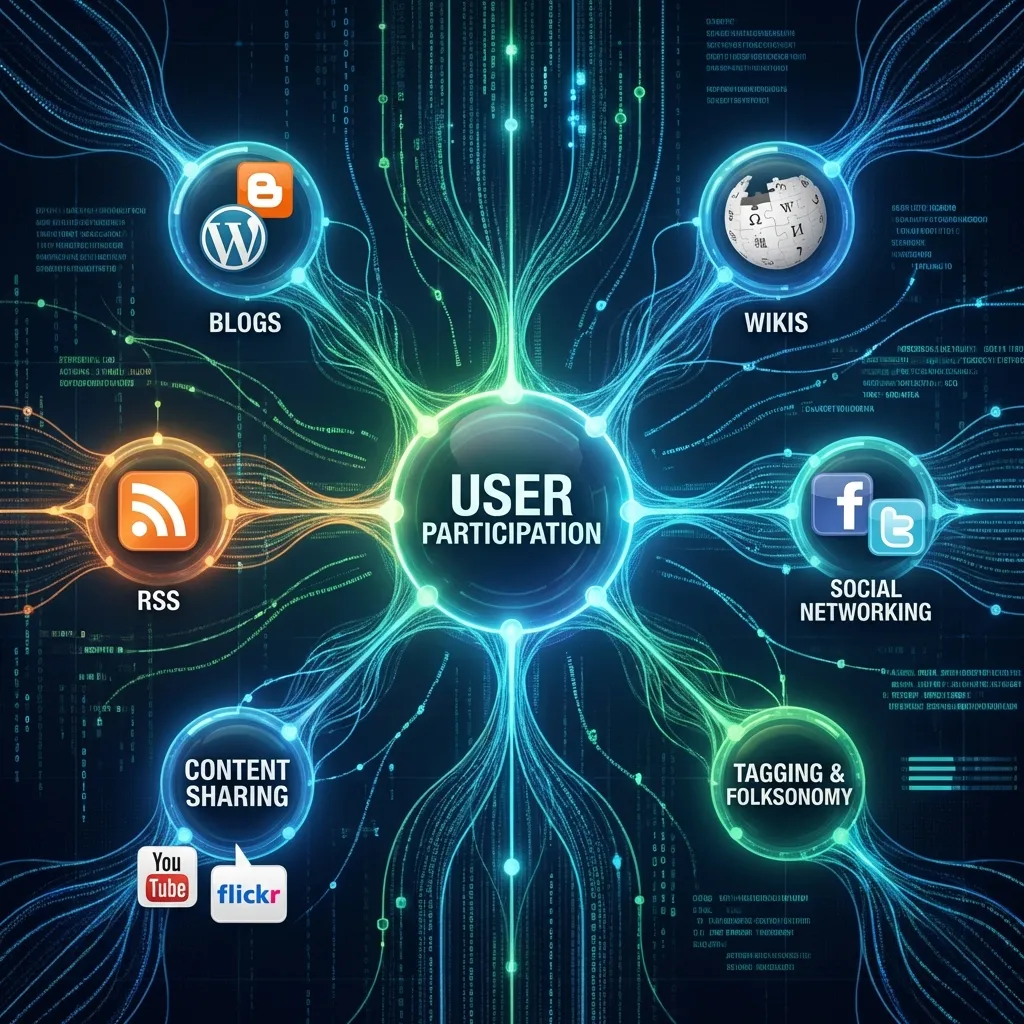
Web 2.0: The "social web" or "read-write web," characterized by user-generated content, participation, and interoperability.
- Examples: Blogs, Wikis, Social Networks (Facebook, X), Video Sharing (YouTube, TikTok)
The Evolution: Web 1.0 vs. Web 2.0
Web 1.0 ("The Read-Only Web")
Content: Static pages
Creator: The organization
User Role: Passive consumer
Example: An early university website with only official information.
Web 2.0 ("The Read-Write Web")
Content: Dynamic & interactive
Creator: Users & community
User Role: Active participant
Example: Wikipedia, where users collaboratively create and edit content.
Why Does This Matter for Business? 📊
Social computing has moved from personal use to a core business strategy. It allows companies to:
- 🤝 Engage with Customers: Build relationships and gather feedback directly.
- 📈 Build Brand Loyalty: Create communities around products and values.
- 💡 Drive Innovation: Crowdsource ideas and co-create products with customers.
- 🧑💼 Support Employees: Enhance internal collaboration and knowledge sharing.
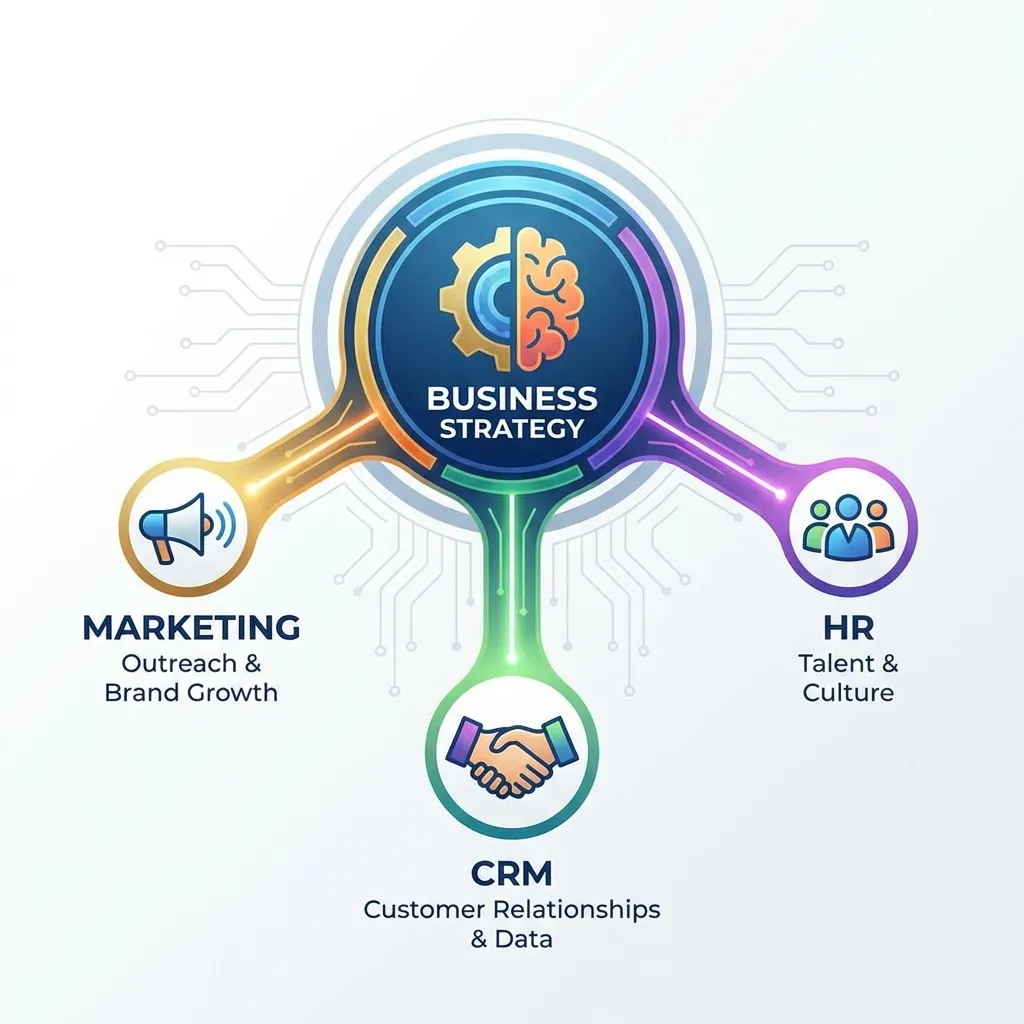
Unit 5 Roadmap: Application Areas
In this unit, we will explore how social computing transforms key business functions:
🛒 Marketing
Using social platforms for advertising, market research, and influencing purchasing decisions.
❤️ Customer Relationship Management (CRM)
Engaging with customers for support, feedback, and building long-term relationships.
🧑💻 Human Resources (HR)
Leveraging social tools for recruiting, onboarding, and internal collaboration.
Practical Application: Social Computing in Nepal 🇳🇵
Example: E-commerce & Community
Daraz Nepal uses customer reviews and ratings (user-generated content) to build trust. They also run extensive campaigns on Facebook and Instagram (social marketing) to engage customers directly.
Example: Customer Support & Communication
Many Nepali businesses, from ISPs like WorldLink to local restaurants, use Viber Communities and Facebook Groups for instant customer support, service announcements, and building a loyal customer base (social CRM).
🔍 Key Takeaways
- Social computing shifts technology's focus from solitary tasks to social interaction and collaboration.
- Web 2.0 is the foundational technology that enables user participation and content creation, making social computing possible.
- Businesses leverage social computing across key functions like marketing, CRM, and HR to connect with stakeholders.
- This approach fosters community, enhances engagement, and can drive significant business value.
Thank You!
Any questions?