Unit 1.4
The Impact of Information Technology on Organizations
Learning Objectives
By the end of this chapter, you will be able to understand the transformative and dual-edged role of IT in modern business.
- ✅ Identify the major positive impacts of IT on business operations and strategy.
- ✅ Describe the key challenges and negative impacts of IT implementation.
- ✅ Explain how IT acts as a catalyst for globalization and innovation.
- ✅ Understand the strategic trade-offs involved in IT adoption.
The Dual Role of IT
Information Technology is a double-edged sword for modern organizations.
⚡ Catalyst for Growth
- Increases Efficiency
- Enhances Decision-Making
- Expands Market Reach
- Drives Innovation
⚠️ Source of Challenges
- High Implementation Costs
- Significant Security Risks
- Causes Workforce Disruption
- Requires Change Management
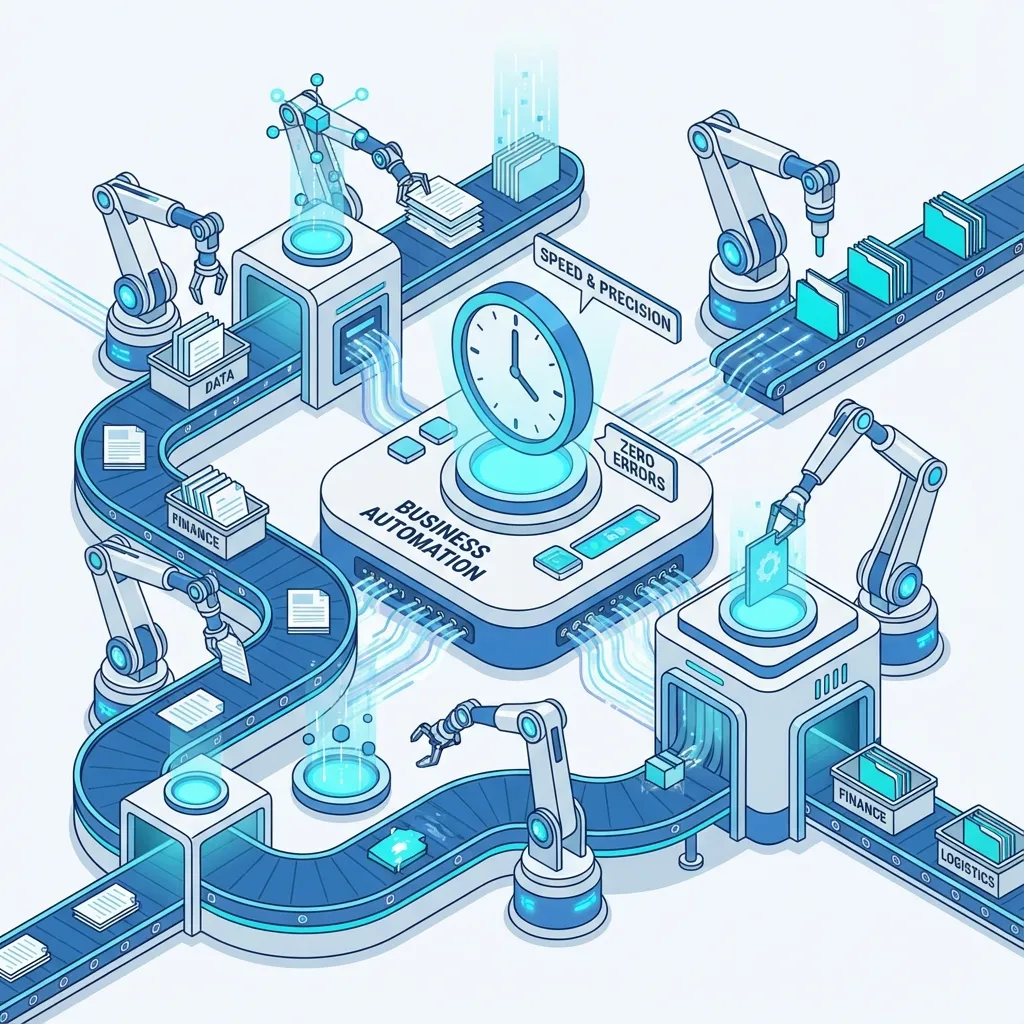
Positive Impact: Efficiency & Productivity
IT allows organizations to automate routine tasks, leading to significant gains.
- Reduces manual errors and speeds up processes.
- Frees up employees for more strategic, value-added activities.
- Enables real-time tracking and management of resources.
Example: An automated inventory system tracks stock in real-time and automatically re-orders when supplies are low, preventing stockouts and reducing manual counting.
Positive Impact: 📊 Data-Driven Decisions
Business Intelligence (BI) and Analytics systems turn raw data into actionable insights.
Key Shift: Moving from intuition-based ("gut feeling") decisions to evidence-based, strategic choices.
- Analyze vast amounts of data quickly.
- Identify market trends and customer behavior patterns.
- Optimize pricing, marketing campaigns, and operations.

Positive Impact: Collaboration & Globalization
Enhanced Communication
IT breaks down geographical barriers, enabling seamless teamwork.
- Tools: Microsoft Teams, Slack, Zoom
- Benefits: Global teams, remote work, improved project coordination.
Expanded Market Reach
E-commerce and digital marketing open up global opportunities.
- Even small businesses can sell to a worldwide audience.
- Dramatically increases revenue potential.

Positive Impact: Innovation & New Business Models
IT is the foundation for disrupting entire industries and creating new value.
The Sharing Economy
Utilizes IT platforms to connect peers for sharing assets or services.
Examples: Uber, Airbnb, locally Pathao or Tootle.
The Subscription Economy
Offers recurring access to services rather than one-time purchases.
Examples: Netflix, Spotify, Microsoft 365.
Challenge: High Cost & Complexity
Implementing and maintaining IT infrastructure is a major investment.
- Direct Costs: Hardware, software licenses, cloud service fees.
- Indirect Costs: Employee training, ongoing support, system integration.
- Complexity: Integrating new systems with legacy infrastructure can be a significant technical hurdle.
Challenge: Security & Privacy Risks
Increased reliance on IT creates greater vulnerability to cyber threats.
Common Threats
- Data Breaches
- Ransomware Attacks
- Phishing & Malware
Potential Consequences
- Financial Loss
- Reputational Damage
- Legal Liabilities
Protecting sensitive customer and company data is a constant, evolving battle.

Challenge: The Human Element
Technology's impact on people is often the most difficult challenge to manage.
Job Displacement
Automation can replace routine, manual tasks, requiring workforce reskilling.
Information Overload
Too much data can lead to stress, confusion, and poor decision-making.
Resistance to Change
Employees may fear new technology, viewing it as a threat or a burden.
IT in Action: The Nepali Context
IT is rapidly transforming the business landscape in Nepal.
Case Study: Digital Payments & E-commerce
- Digital Wallets (eSewa, Khalti): Revolutionized how payments are made, reducing reliance on cash and enabling faster, more secure transactions for everything from utility bills to online shopping.
- E-commerce Platforms (Daraz): Provided a national marketplace for small vendors, expanding their reach beyond their physical location to customers across the country.
- Impact: These IT-driven innovations have boosted financial inclusion and created new economic opportunities, demonstrating the positive and disruptive power of technology.
Summary: The Strategic Trade-Off
Successful organizations leverage IT's benefits while managing its risks.
🎯 The goal is not just to adopt technology, but to align it with business strategy and manage the associated organizational changes.
- IT boosts productivity and enables data-driven decisions.
- Innovation and global reach are key positive outcomes.
- These benefits are balanced by high costs, security threats, and implementation challenges.
- Managing the "human element"—reskilling, change resistance, and information overload—is critical for success.
Questions & Discussion
- Which positive impact of IT is most significant for a new startup? Why?
- How can a company mitigate the risk of information overload?
- Debate: "The negative impact of IT on job displacement outweighs its positive impact on productivity."
Thank You!
Up Next: Unit 2, Chapter 1 - Foundations of Business Intelligence