Unit 1.4 & 1.5
The Impact of Information Technology on Organizations & Society
Learning Objectives 🎯
By the end of this session, you will understand how IT transforms both business operations and the broader society.
- ✅ Identify the major impacts of IT on business efficiency, decision-making, and globalization.
- ✅ Describe the key challenges: cost, security, and the human element.
- ✅ Discuss the societal role of IS in the economy, communication, and public services.
- ✅ Analyze ethical issues like the digital divide, privacy, and algorithmic bias.
Part 1: IT & Organizations
How technology continuously reshapes the business landscape.
The Dual Role of IT in Business
Information Technology is a double-edged sword for modern organizations.
⚡ Catalyst for Growth
- Increases Efficiency
- Enhances Decision-Making
- Expands Market Reach
- Drives Innovation
⚠️ Source of Challenges
- High Implementation Costs
- Significant Security Risks
- Causes Workforce Disruption
- Requires Change Management
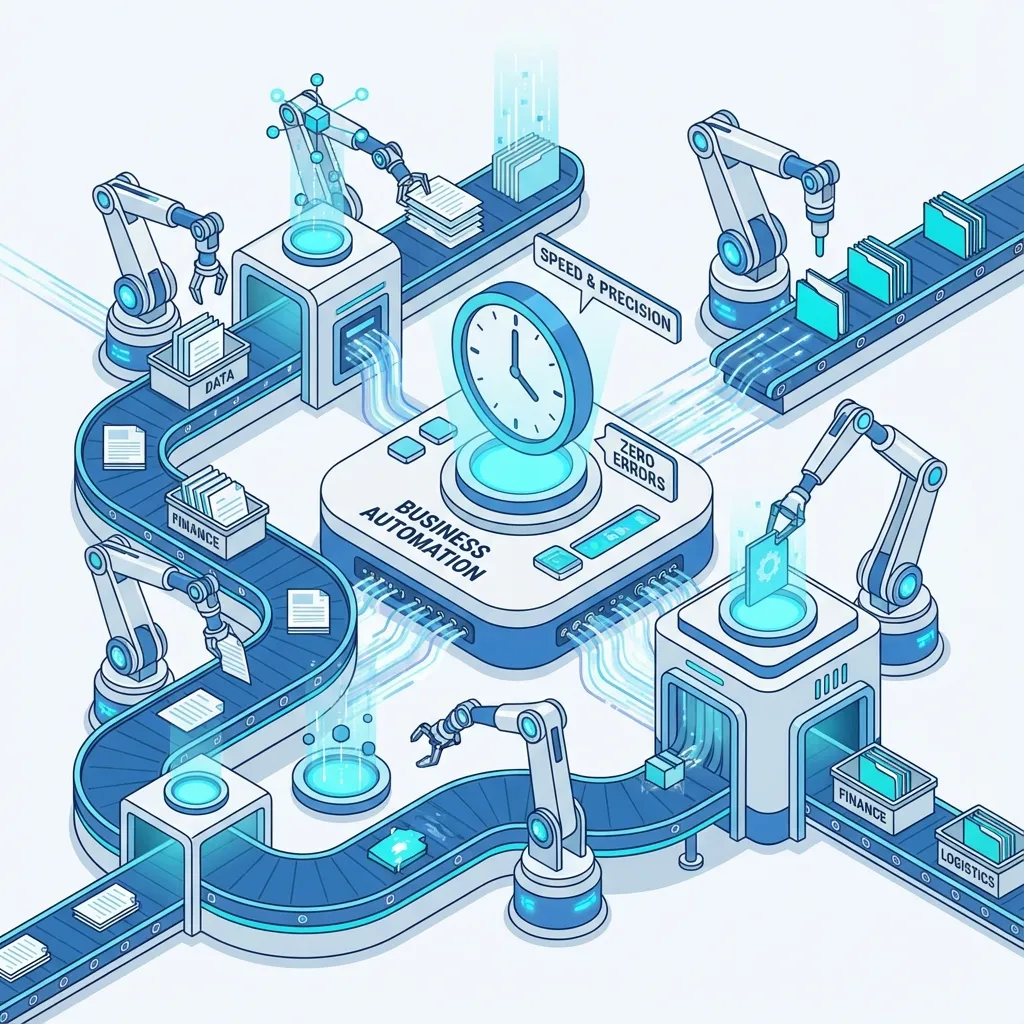
Efficiency & Productivity
IT allows organizations to automate routine tasks, leading to significant gains.
- Reduces manual errors and speeds up processes.
- Frees up employees for strategic activities.
- Enables real-time tracking of resources.
Example: An automated inventory system (like in a Bhat-Bhateni supermarket) tracks stock in real-time and auto-reorders, preventing stockouts.
📊 Data-Driven Decisions
Moving from intuition-based ("gut feeling") decisions to evidence-based strategic choices.
- Analyze vast amounts of data quickly (Big Data).
- Identify market trends and customer behavior patterns.
- Optimize pricing, marketing campaigns, and operations.

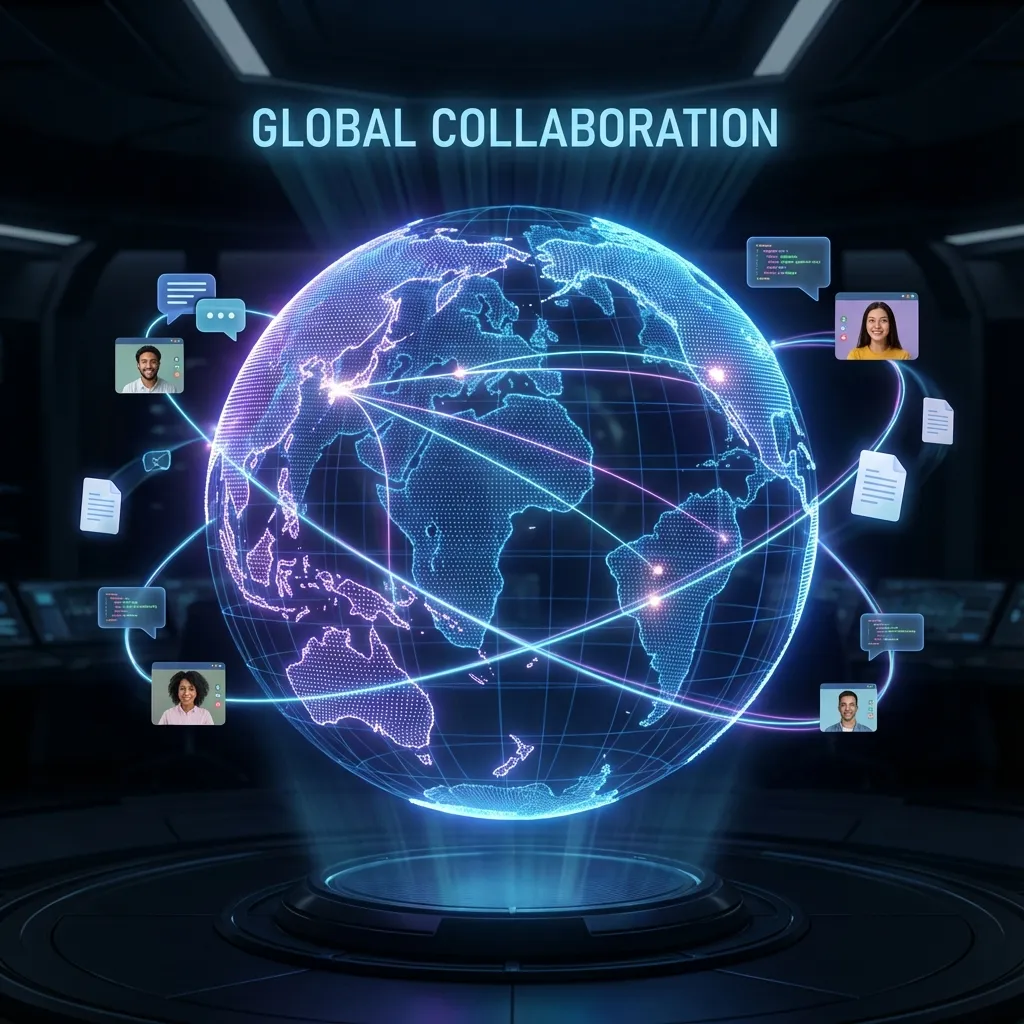
Collaboration & Globalization
Seamless Communication
IT breaks down geographical barriers.
- Global teams work as one unit (Slack, Zoom).
- Remote work becomes a viable standard.
Expanded Market Reach
E-commerce opens up global opportunities.
- Local businesses can sell worldwide.
- Dramatically increases revenue potential.
Business Challenges: Cost & Security
💰 High Costs
- Direct: Hardware, software, cloud fees.
- Indirect: Training, support, integration.
🔒 Security Risks
- Threats: Data breaches, ransomware, phishing.
- Impact: Financial loss, reputational damage, legal liability.

The "Human Element" Challenge
Technology's impact on people is often the most difficult management challenge.
Job Displacement
Automation replaces routine tasks, requiring workforce reskilling.
Information Overload
Too much data can lead to stress and poor decision-making.
Resistance to Change
Employees may fear new tech as a threat or burden.
Part 2: IT & Society
Information Systems as fundamental societal infrastructure.
Beyond Business
IS has moved beyond company walls to become a fundamental part of daily life.
🌐 Economy
Driving global markets and digital services.
💬 Communication
Reshaping interactions and communities.
🏛️ Public Services
Transforming governance and healthcare.
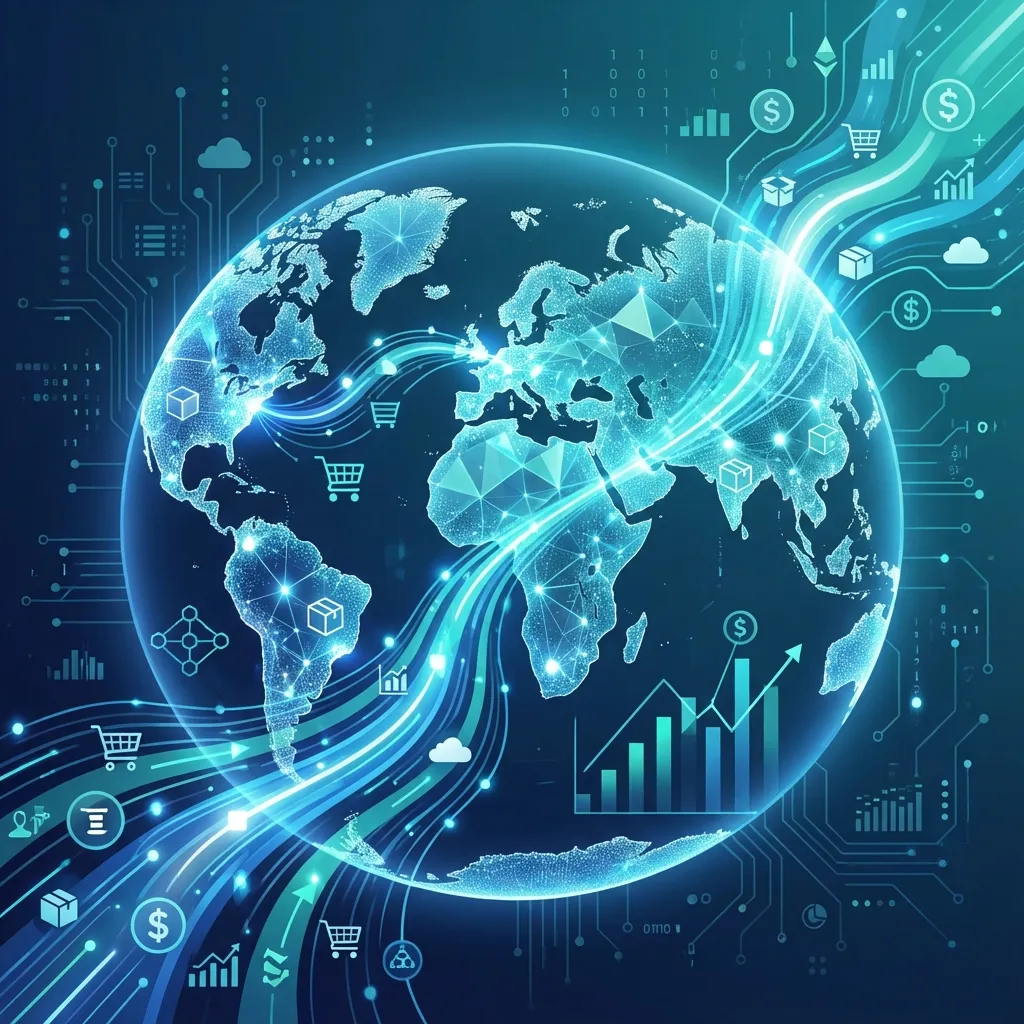
The Digital Economy
- E-commerce & Services: SaaS, streaming, and online marketplaces form a massive part of global GDP.
- Globalization 2.0: Seamless flow of capital and information intensifies global competition.
IT creates new markets, industries, and business models (Subscription economy, Gig economy).
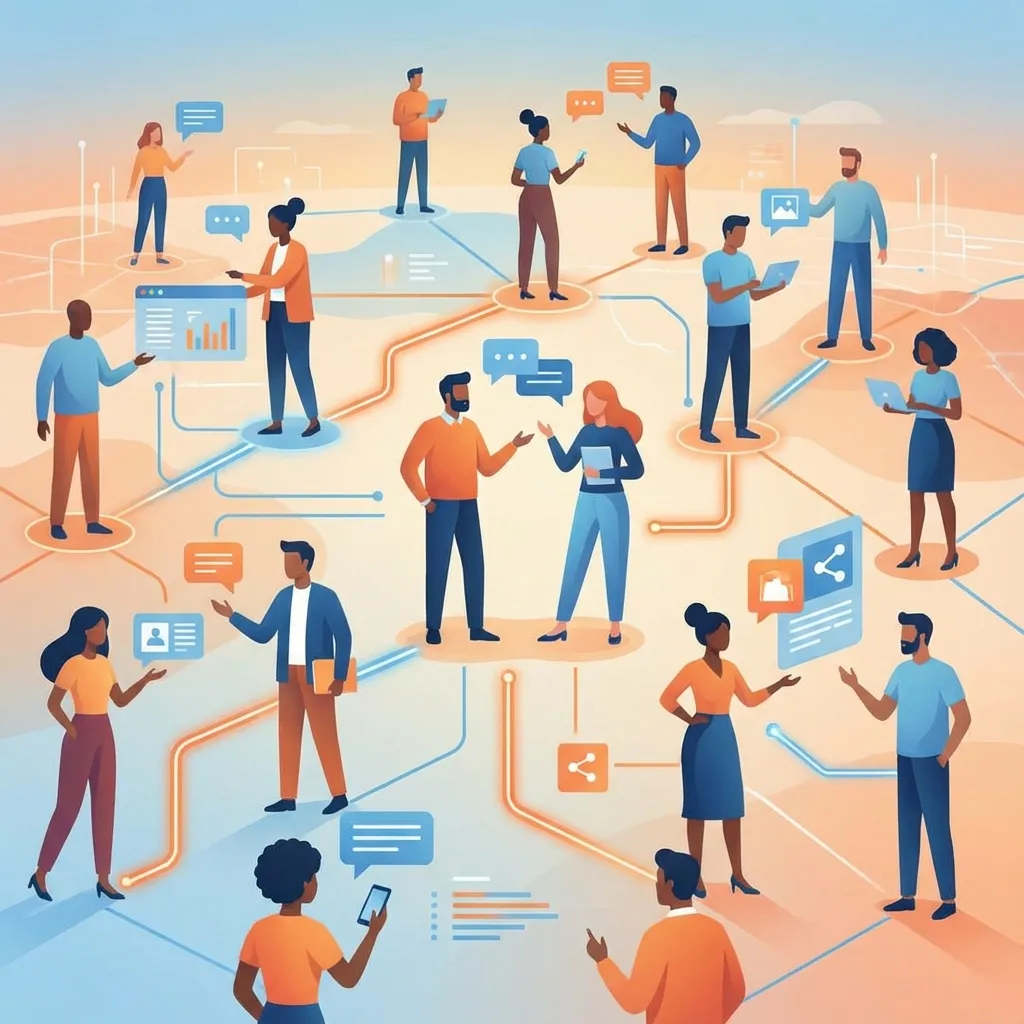
Social Interaction & Connectivity
Benefits
- Maintain relationships across distances.
- Form communities based on shared interests.
- Democratization of knowledge (Search engines, MOOCs).
Challenges of "Always-On"
- Social isolation despite connectivity.
- Cyberbullying and harassment.
- Ideological "echo chambers."
Transforming Public Services
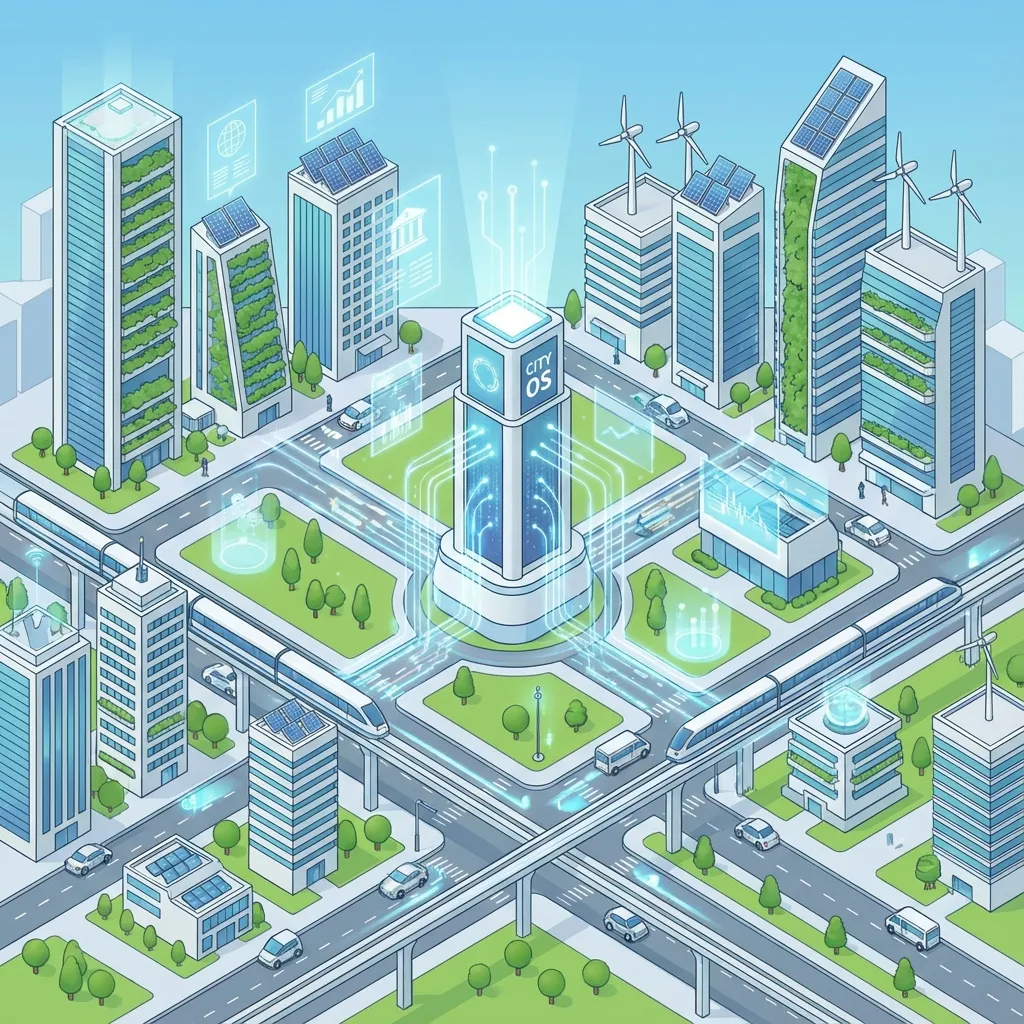
🏛️ E-Government & Smart Cities
- Online tax filing, vehicle registration.
- Smart traffic management and energy optimization.
- Increased transparency and efficiency.
⚕️ Healthcare
- EHRs: Accurate patient history.
- Telemedicine: Remote access to doctors.
- Research: Big data accelerates cures.
⚖️ Critical Ethical & Social Issues
The Digital Divide
Inequality in access to technology.
Privacy Concerns
Surveillance and data rights.
Algorithmic Bias
Unfair automated outcomes.
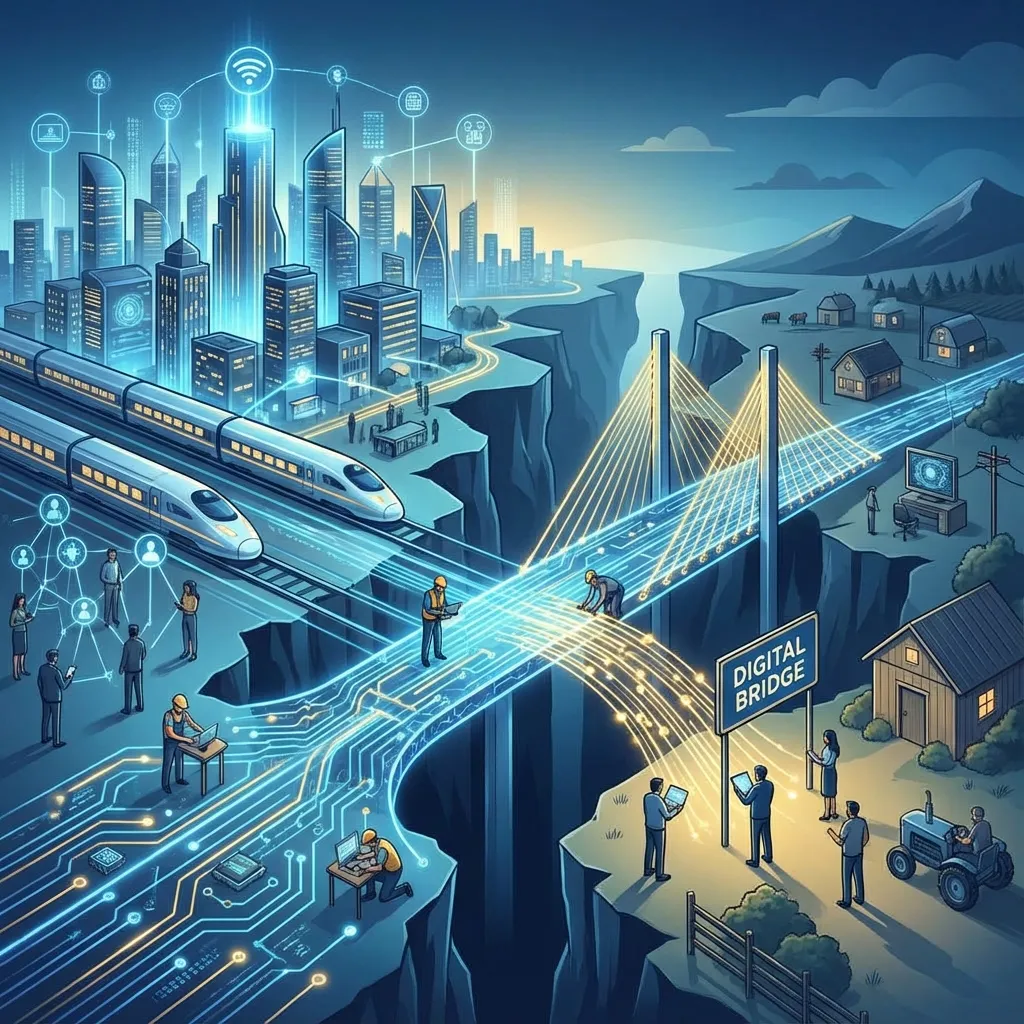
Challenge: The Digital Divide
The gap between those who have access to modern information technology and those who do not.
This exacerbates existing inequalities based on:
- Socioeconomic status (Cost).
- Geographic location (Rural vs. Urban).
- Education and digital literacy.
Privacy & Bias
🔍 Privacy & Misinformation
- Corporate and government surveillance.
- The "convenience vs. privacy" trade-off.
- Rapid spread of disinformation affecting democracy.
🤖 Algorithmic Bias
- AI reflecting human prejudices.
- Examples: Hiring tools favoring certain demographics, biased loan approvals, or predictive policing profiles.
Practical Context: IT in Nepal
Opportunities & Challenges
- Digital Economy: Wallets like eSewa/Khalti revolutionized payments, while platforms like Daraz aid small businesses.
- Public Services: The Nagarik App aims to centralize services, though data integration remains tricky.
- Digital Divide: High-speed internet is limited in remote rural areas, affecting access to telemedicine and quality online education.
Discussion Questions
- Which positive impact of IT is most critical for a startup in Nepal today?
- Does the "convenience" of free digital services outweigh the "privacy" costs?
- How can we bridge the digital divide in our local communities?
Thank You!
Up Next: Unit 2, Chapter 1 - Foundations of Business Intelligence