Unit 1.3
Types of Computer-Based Information Systems (CBIS)
IT 233: Business Information Systems
Learning Objectives
By the end of this chapter, you will be able to:
- ✅ Define a Computer-Based Information System (CBIS).
- ✅ Describe the different types of information systems used at various organizational levels.
- ✅ Differentiate between Transaction Processing Systems (TPS) and Management Information Systems (MIS).
- ✅ Explain the purpose of Decision Support Systems (DSS) and Executive Information Systems (EIS).
What is a CBIS?
A Computer-Based Information System (CBIS) is an information system that uses computer hardware and software to collect, process, store, and distribute information.
Think of these systems as a pyramid, serving different levels of an organization.
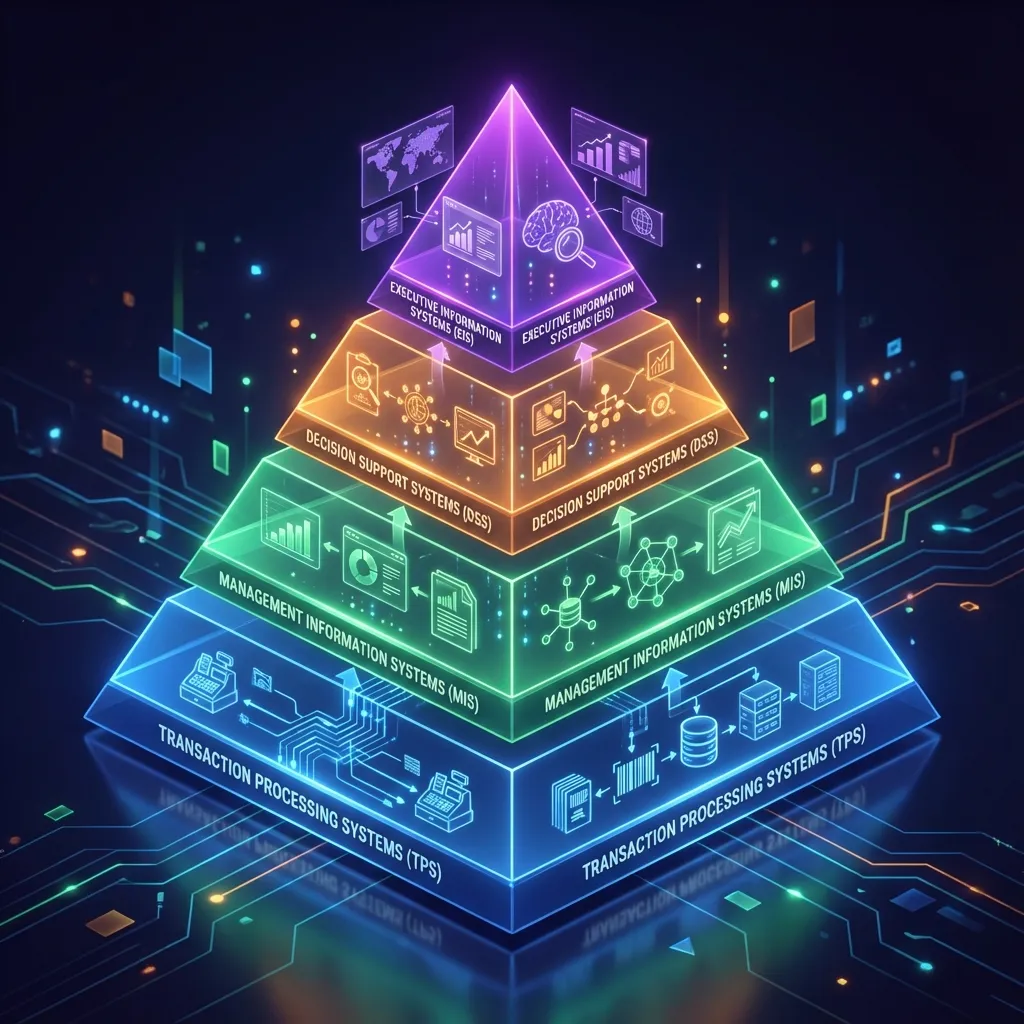
Level 1: Transaction Processing Systems (TPS) ⚡
Level: Operational
Purpose: Process and record high-volume, routine, day-to-day business transactions.
Users: Frontline staff (cashiers, clerks, tellers)
Characteristics:
- Focus on speed & accuracy
- Highly structured
- Mission-critical
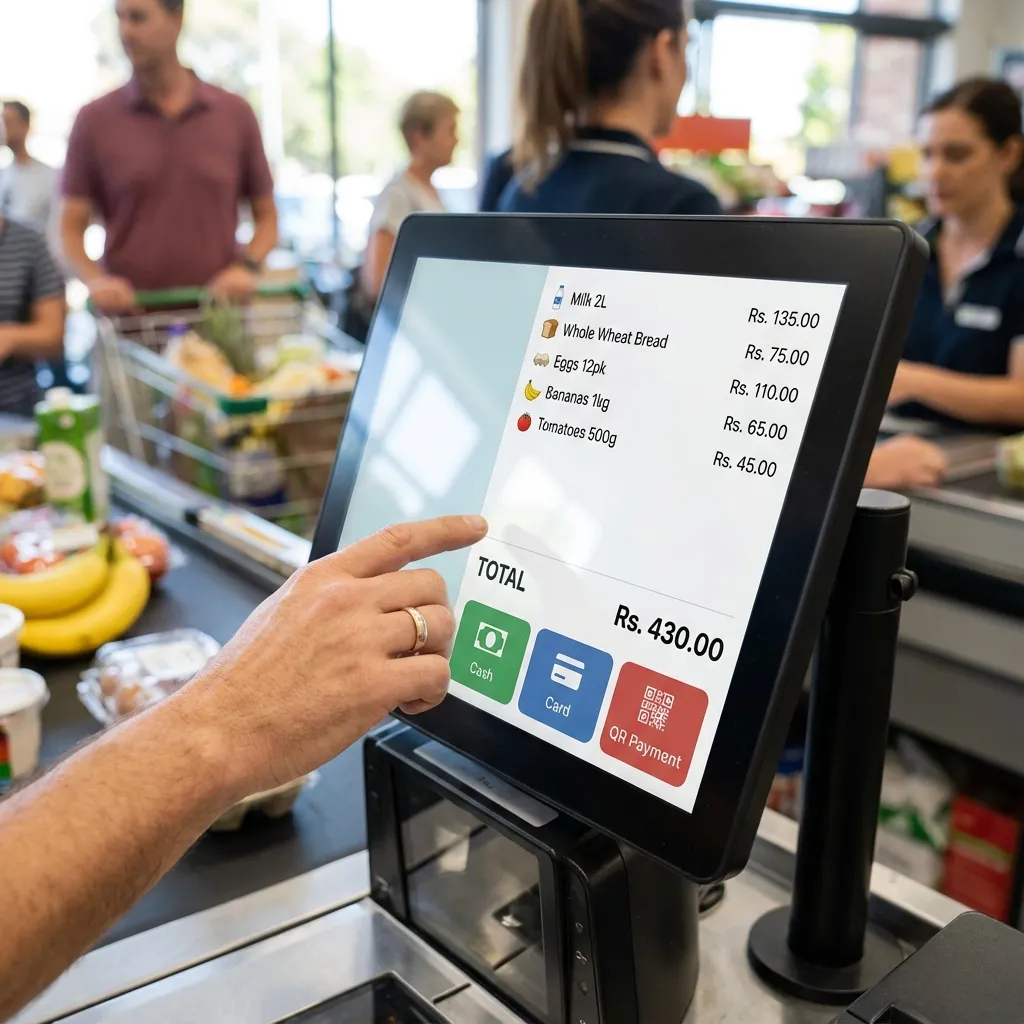
Example: Point-of-Sale (POS)
At a Bhat-Bhateni supermarket in Kathmandu, the POS system scans items, processes payments (via cash, card, or eSewa), and updates inventory in real-time for every single transaction.
Level 2: Management Information Systems (MIS) 📊
Level: Tactical / Managerial
Purpose: Summarize data from the TPS to provide routine reports for monitoring and control.
Users: Mid-level managers
Characteristics:
- Focus on past and present data
- Provides routine summary reports
- Less interactive than a DSS
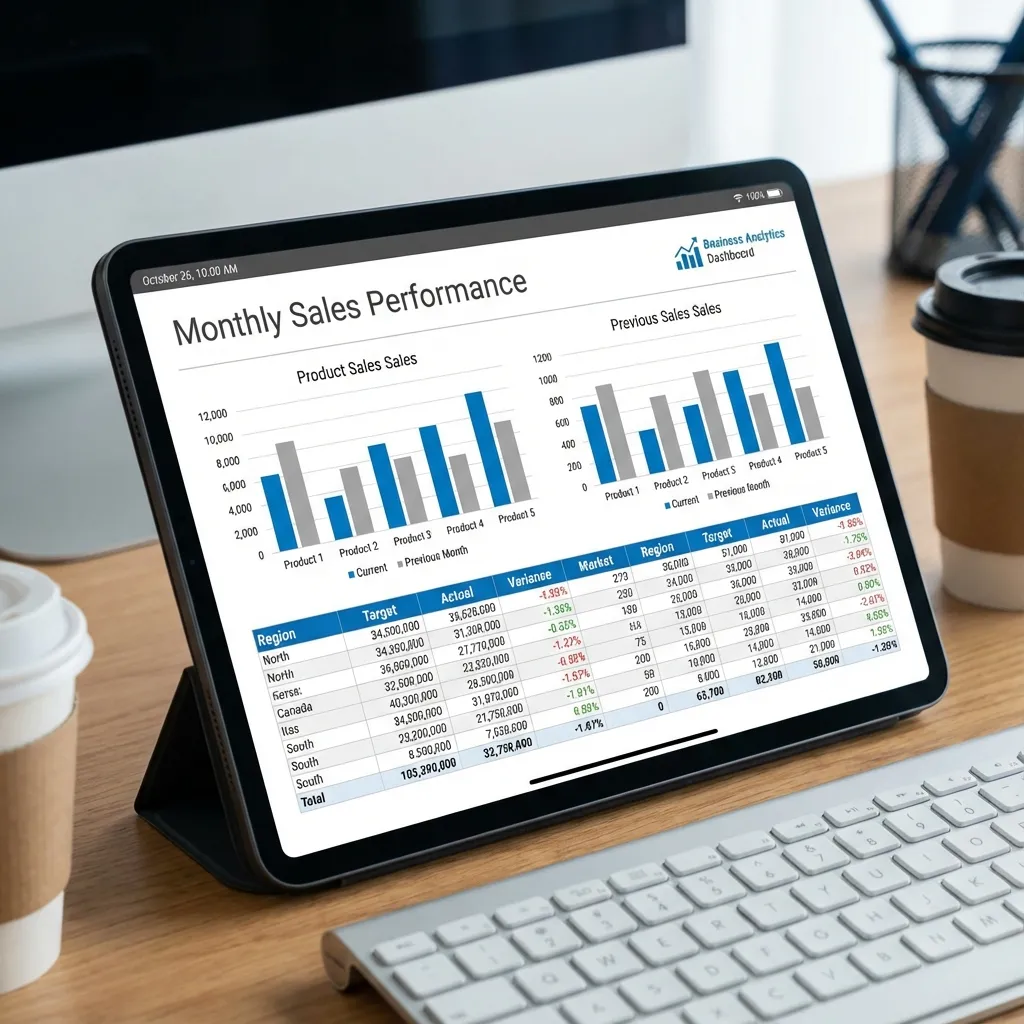
Example: Weekly Sales Report
A sales manager for a beverage company receives a weekly report summarizing total sales by product, region (e.g., Province 1 vs. Bagmati), and salesperson. This helps them track performance against targets.
TPS vs. MIS: A Quick Comparison
Transaction Processing Systems (TPS)
- Input: Raw transaction data
- Processing: Sorting, listing, merging
- Focus: Capturing data
- Level: Operational
- Question: "What are the daily sales?"
Management Information Systems (MIS)
- Input: Summarized data from TPS
- Processing: Summary, comparison
- Focus: Transforming data into information
- Level: Managerial
- Question: "How do this month's sales compare to last month's?"
Level 3: Decision Support Systems (DSS) 🔍
Level: Tactical / Managerial
Purpose: To support complex, non-routine decision-making by allowing users to interact with data and models.
Users: Managers, business analysts
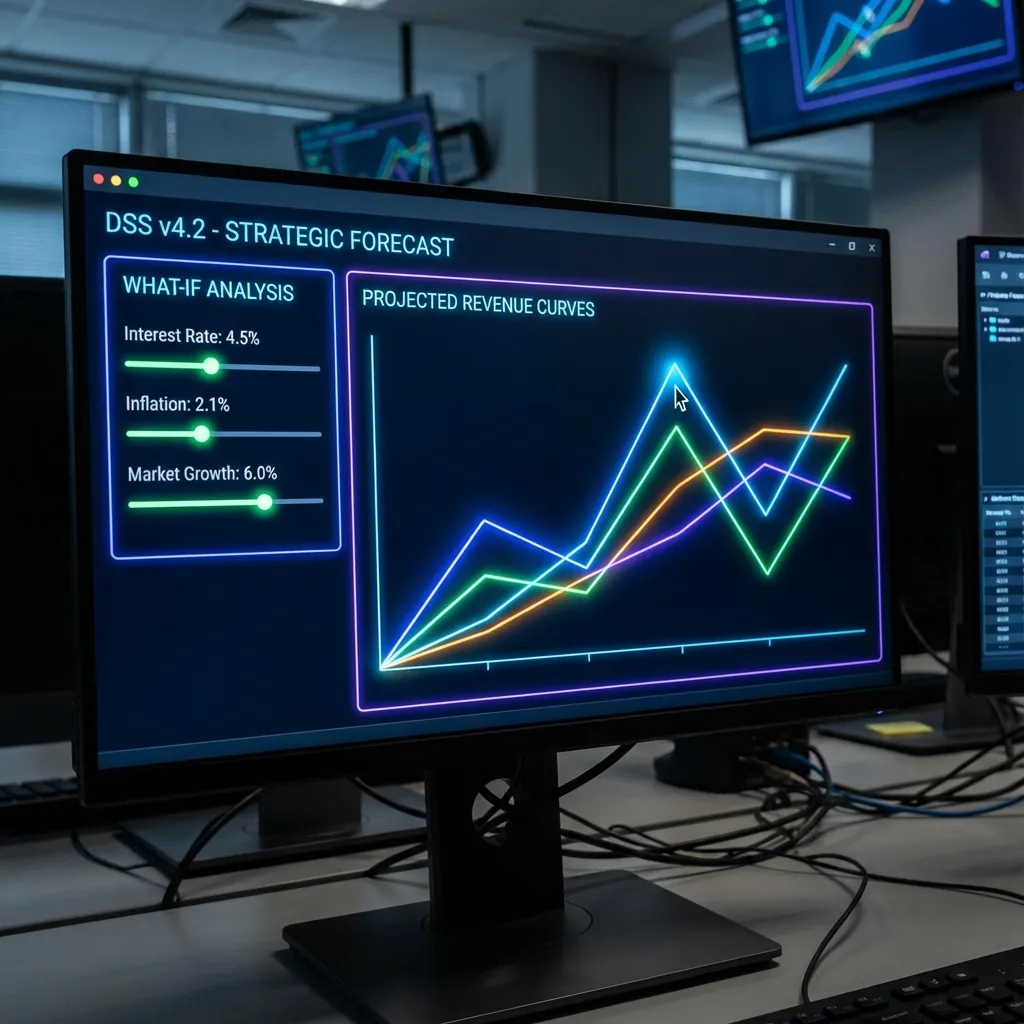
Key Feature: "What-If" Analysis
DSS allows managers to change variables to see the potential outcomes of different decisions.
Example: Financial Modeling
A financial planner at a Nepali commercial bank uses a DSS to model the impact of a 0.5% increase in home loan interest rates on the bank's projected annual revenue.
Level 4: Executive Information Systems (EIS) 🎯
Level: Strategic
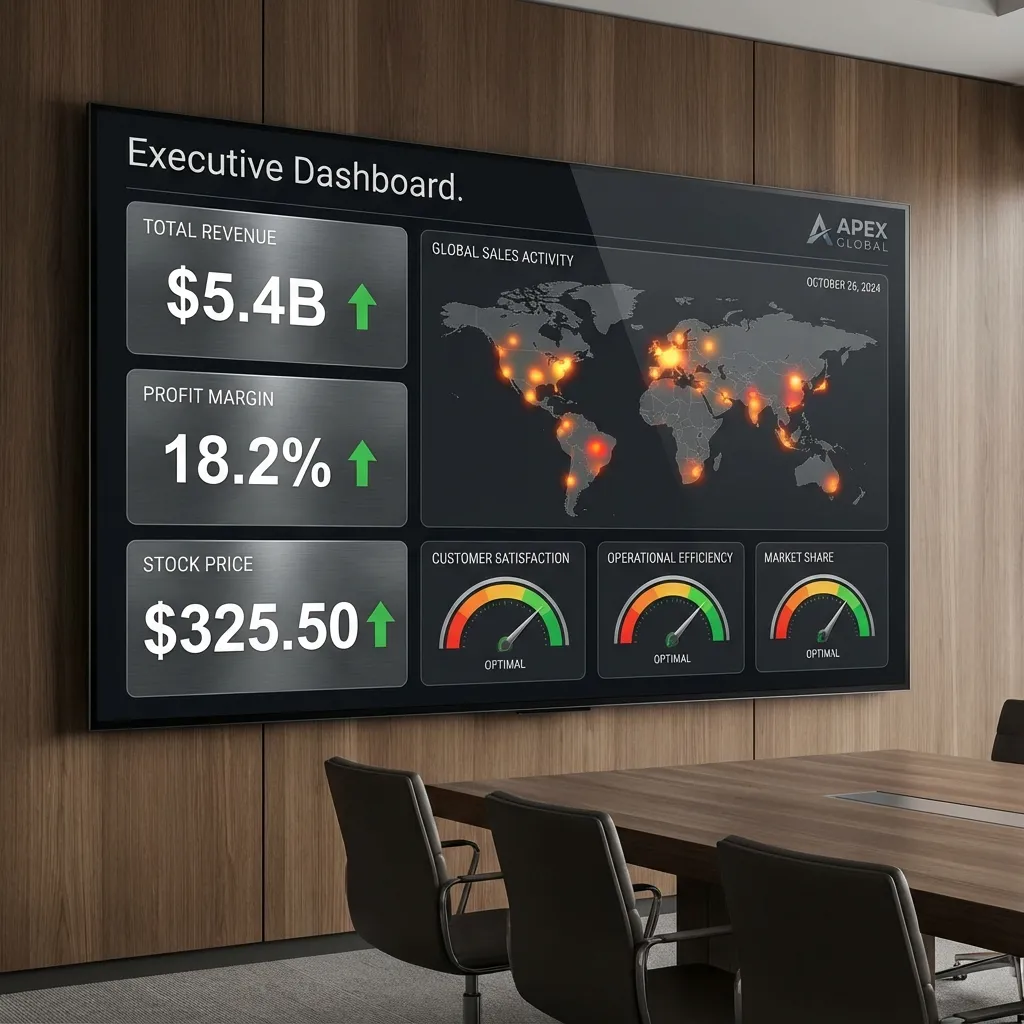
Purpose: To provide a high-level, graphical overview of organizational performance for strategic planning.
Users: Senior executives (CEO, CFO, COO)
Key Feature: Digital Dashboards
EIS presents complex information in easy-to-read charts and graphs, focusing on Key Performance Indicators (KPIs).
Example: CEO Dashboard
The CEO of a large hydropower company in Nepal views a dashboard showing real-time electricity generation, overall profitability, stock price, and competitor performance data.
Other Important System Types
Enterprise Resource Planning (ERP)
Large-scale systems that integrate all major business functions (finance, HR, supply chain) into a single, unified system. They are the backbone for many TPS and MIS.
Example: A manufacturing company using a single ERP to manage orders, inventory, and accounting.
Expert Systems (ES)
A type of AI that captures human expertise to provide advice or solve problems in a specific domain.
Example: A medical diagnosis tool that suggests possible illnesses based on a patient's symptoms.
CBIS in Action: A Nepali University
TPS in Action
The online student registration system processes course enrollments and tuition payments each semester.
DSS in Action
An academic planner uses a system to model different class schedules to optimize classroom usage and avoid student conflicts.
MIS in Action
The department head receives a monthly report showing student enrollment numbers for each course compared to the previous year.
EIS in Action
The University's Vice-Chancellor views a dashboard showing overall student enrollment trends, graduation rates, and financial health.
Chapter Summary & Key Takeaways
- CBIS are categorized based on the organizational level they support (Operational, Tactical, Strategic).
- ⚡ TPS captures the raw data from daily operations.
- 📊 MIS summarizes that data into routine reports for managers.
- 🔍 DSS provides interactive tools for complex, "what-if" analysis.
- 🎯 EIS offers a high-level, graphical view of the business for senior executives.
- These systems work together, with the output of one often becoming the input for the next.
Thank You
Any questions?
Next Topic: Unit 1.4: The Impact of Information Technology on Organizations | IT 233