Unit 6.4
Local and Location-Based Marketing
Learning Objectives
By the end of this chapter, you will be able to:
- ✅ Define and differentiate between local, location-based, and geomarketing strategies.
- ✅ Explain the core technologies enabling location-based services, such as geofencing and beaconing.
- ✅ Analyze the practical applications and current challenges of local marketing in the context of Nepal.
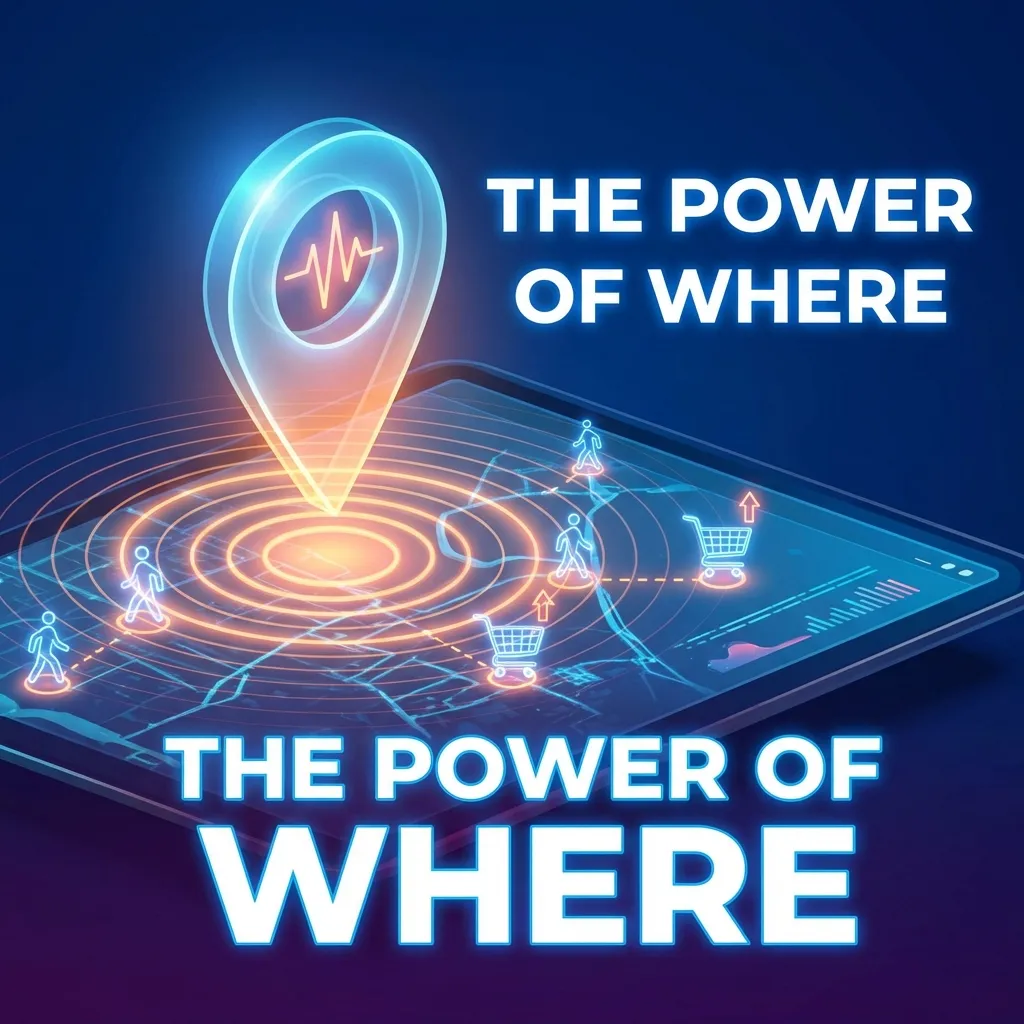
The Power of "Where" 📍
Marketing is no longer just about who you target, but also where and when.
Key Insight: Local and location-based marketing connect the digital world to the physical world, creating timely and highly relevant customer experiences.
These strategies allow businesses to reach customers with pinpoint accuracy, driving foot traffic and sales.
1. Local Marketing
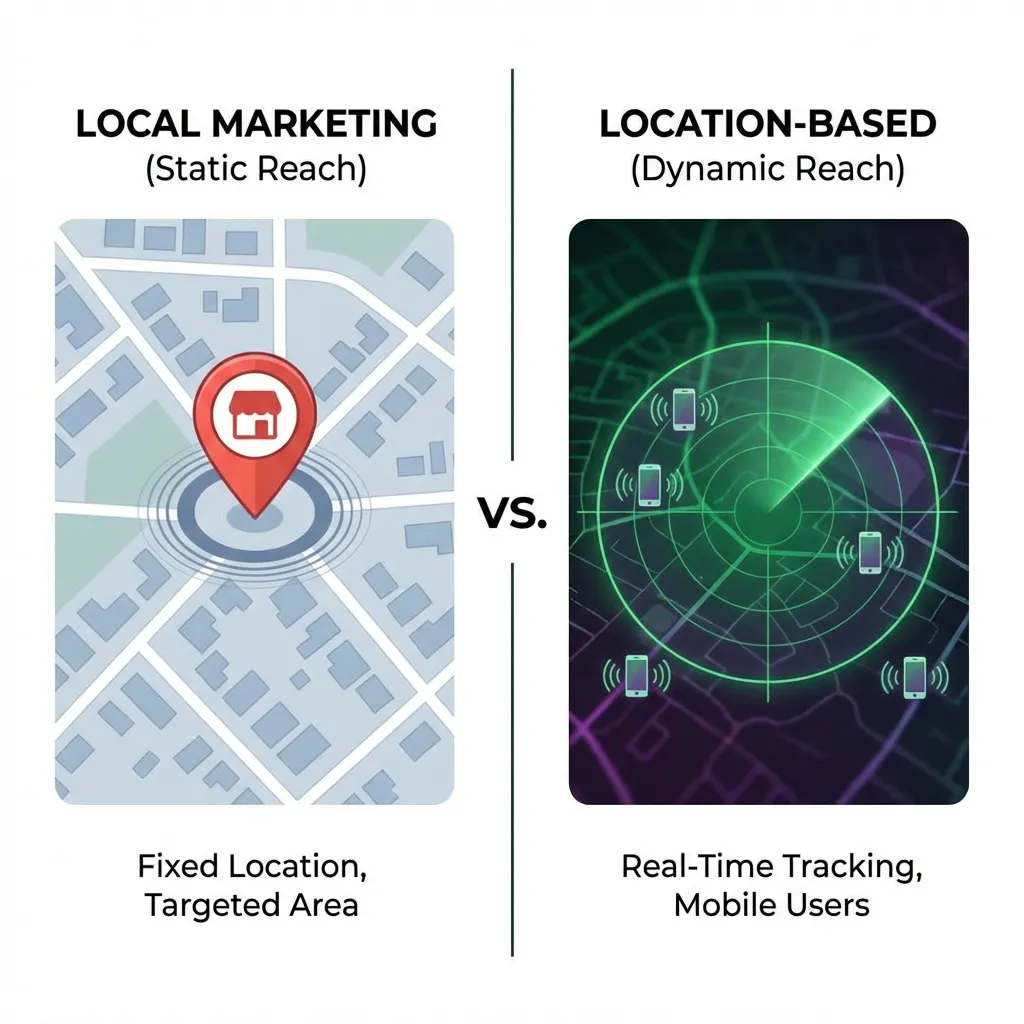
Definition: A strategy that targets consumers within a specific radius of a business's physical location. Also known as neighborhood or local store marketing.
- 🎯 Focus: Geographic proximity.
- Examples: Local newspaper ads, community event sponsorships, flyers, Google My Business listings.
- Goal: To become the go-to choice for the immediate community.
2. Location-Based Marketing (LBM)
Definition: A strategy that uses a mobile device's real-time location to trigger marketing actions and deliver personalized offers.
- ⚡ Focus: Real-time, dynamic location data.
- How it works: Leverages GPS, Wi-Fi, and Bluetooth to identify a user's current position.
- Examples: Push notifications with a coupon when you walk by a store, targeted ads for nearby restaurants.
Local vs. Location-Based Marketing
Local Marketing
- Scope: Broader, static area (e.g., a 5km radius).
- Targeting: People who live or work nearby.
- Technology: Less reliant on real-time tech (e.g., print, local SEO).
Location-Based Marketing
- Scope: Hyper-specific, real-time location.
- Targeting: People who are currently at or near a specific point.
- Technology: Heavily reliant on mobile tech (GPS, Bluetooth).
3. Geomarketing: The Bigger Picture 🗺️
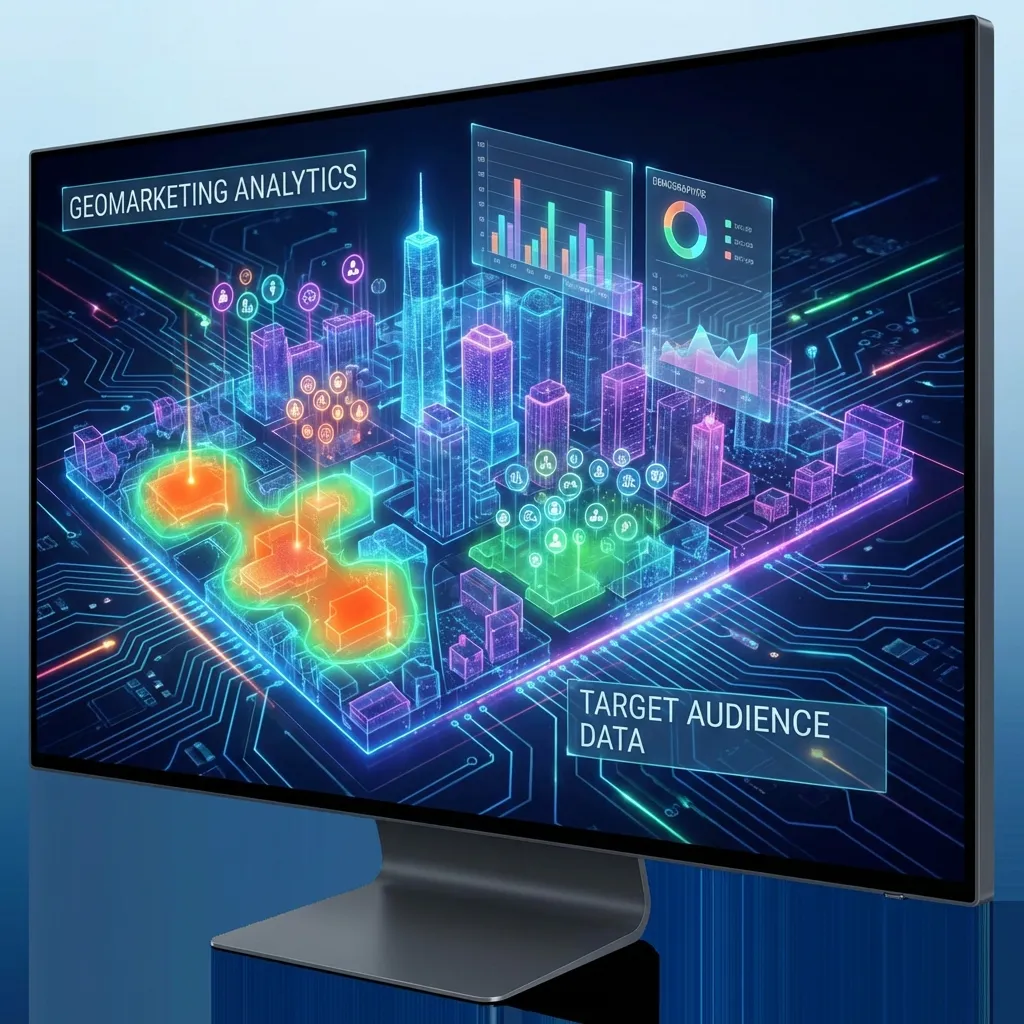
Definition: A broader marketing strategy that uses geographic data and intelligence to inform marketing decisions.
Geomarketing analyzes data to understand...
- 📊 Where target customers live and work (demographics).
- 🔍 Where to open new stores or place advertisements.
- 📈 How location impacts purchasing behavior and interests.
Think of it as the strategic analysis, while LBM is the tactical execution.
Key Technology: Geofencing
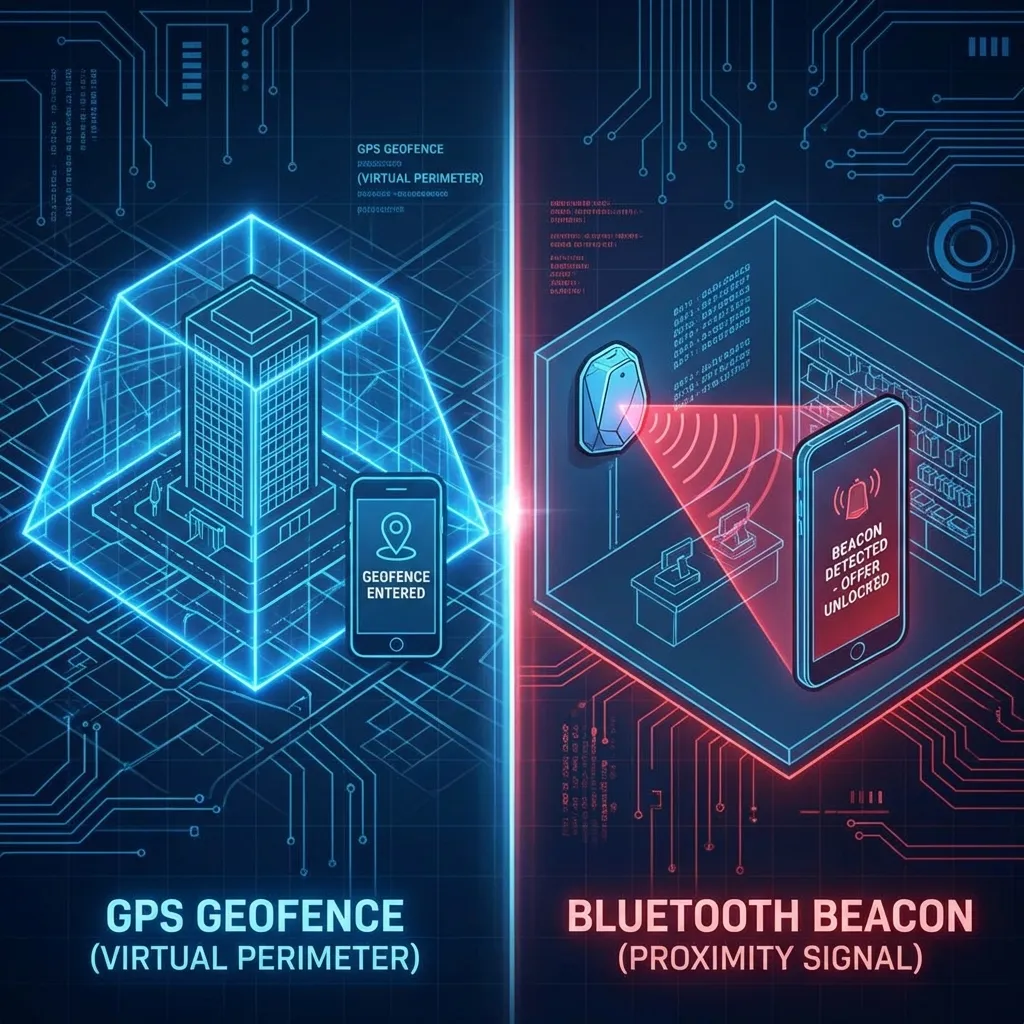
Geofencing: The use of GPS or RFID to create a virtual geographic boundary, enabling software to trigger a response when a mobile device enters or leaves a particular area.
How It Works:
- Define: A business sets up a virtual fence around a location (e.g., their store, a competitor's store, an event venue).
- Enter/Exit: A user with the business's app enters or exits this fenced area.
- Trigger: A pre-programmed action is executed, like sending a push notification, text message, or targeted ad.
Key Technology: Beaconing
Beaconing: Uses small, low-energy Bluetooth devices (beacons) to broadcast signals to nearby smartphones, enabling highly granular, indoor location-based interactions.
- Range: Very short (a few meters), ideal for micro-locations.
- Use Case: In-store navigation, product-specific promotions ("You're in the coffee aisle! Here's a 10% coupon for our new blend.").
- Requirement: User must have Bluetooth enabled and often a specific app installed.
Geofencing vs. Beaconing
Geofencing 🌐
- Technology: GPS, Wi-Fi, Cellular
- Scale: Macro-location (large areas, outdoors)
- Precision: Lower
- Example: Sending a welcome offer when a customer enters the mall.
Beaconing 📡
- Technology: Bluetooth Low Energy (BLE)
- Scale: Micro-location (small areas, indoors)
- Precision: Higher
- Example: Sending a discount for a specific shoe when a customer is in the shoe department.
Application in Nepal 🇳🇵
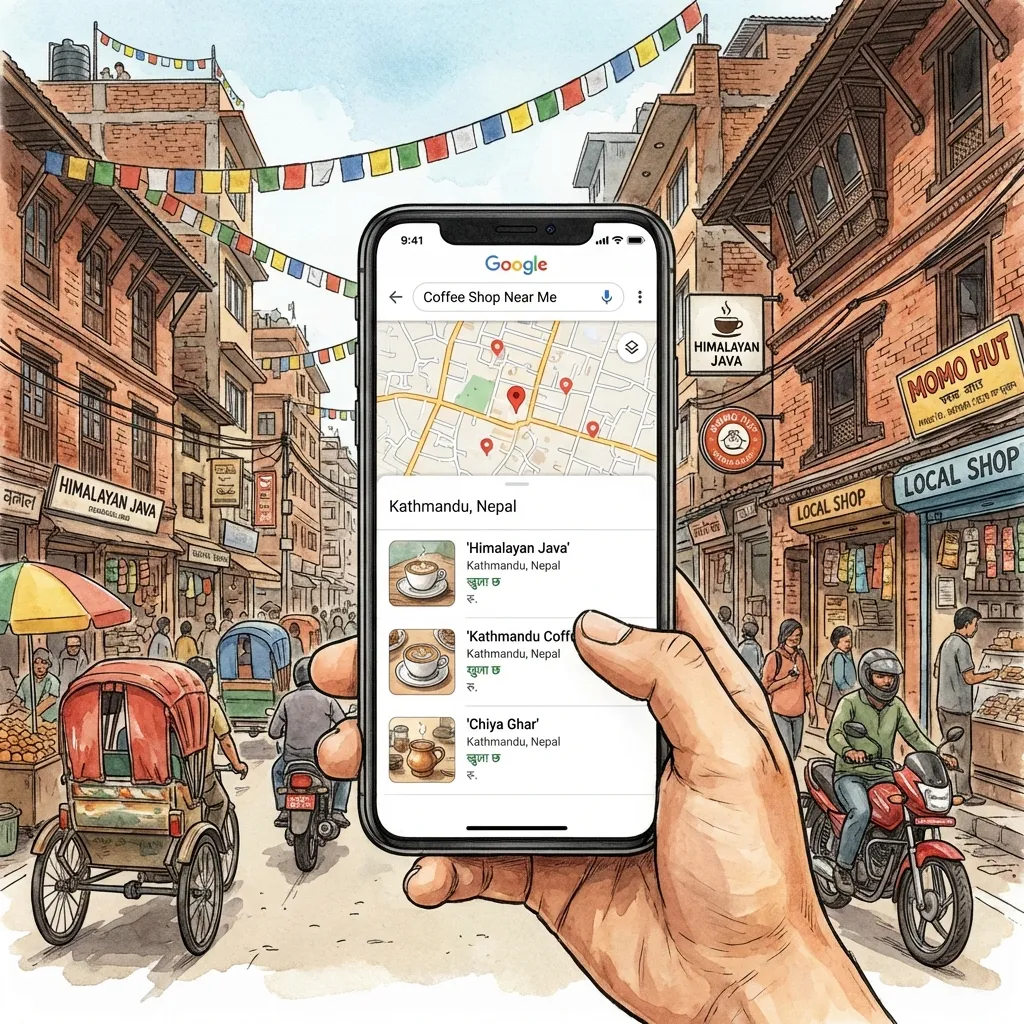
While still developing, local and location-based marketing is a growing trend. Here's how it's being used:
Google My Business
Essential for local SEO. Businesses create free listings to appear in Google Search and Maps, attracting nearby customers searching for their services.
Facebook Location Targeting
Businesses run ad campaigns targeted to users within a specific city, neighborhood, or even a 1km radius around their store, maximizing ad relevance.
Ride-Sharing Apps
Apps like Pathao and Tootle use location data to send push notifications for partner restaurants or stores when a user is nearby, promoting affiliates.
Challenges in the Nepali Context
- Lack of Awareness: Many small and medium-sized businesses are not yet familiar with the benefits or implementation of these marketing strategies.
- Skills Gap: There is a shortage of digital marketing professionals with expertise in setting up and managing complex location-based campaigns.
- Privacy Concerns: As elsewhere, users are concerned about how their location data is collected and used.
Crucial Factor: Businesses must be transparent with customers about data usage and provide clear value in exchange for location sharing to build trust.
Key Takeaways 🔑
- Local Marketing targets a static geographic area, while Location-Based Marketing uses real-time mobile data for dynamic engagement.
- Geofencing is for macro-level (outdoor) targeting, while Beaconing is for micro-level (indoor) targeting.
- Geomarketing is the overarching strategy of using geographic data to make informed business decisions.
- In Nepal, adoption is growing through platforms like Google My Business and Facebook, but faces challenges in awareness, skills, and privacy.
Thank You!
Any questions?
Next Topic: Unit 6: "Case Study: Local SEO for a Kathmandu Restaurant Chain