Unit 6.2
Social Marketing
Learning Objectives
By the end of this chapter, you will be able to:
- ✅ Define social marketing and its role in e-commerce.
- ✅ Compare the key features and strengths of major social media platforms.
- ✅ Identify appropriate social marketing strategies for different business goals.
- ✅ Analyze the social marketing landscape in the context of Nepal.
What is Social Marketing?
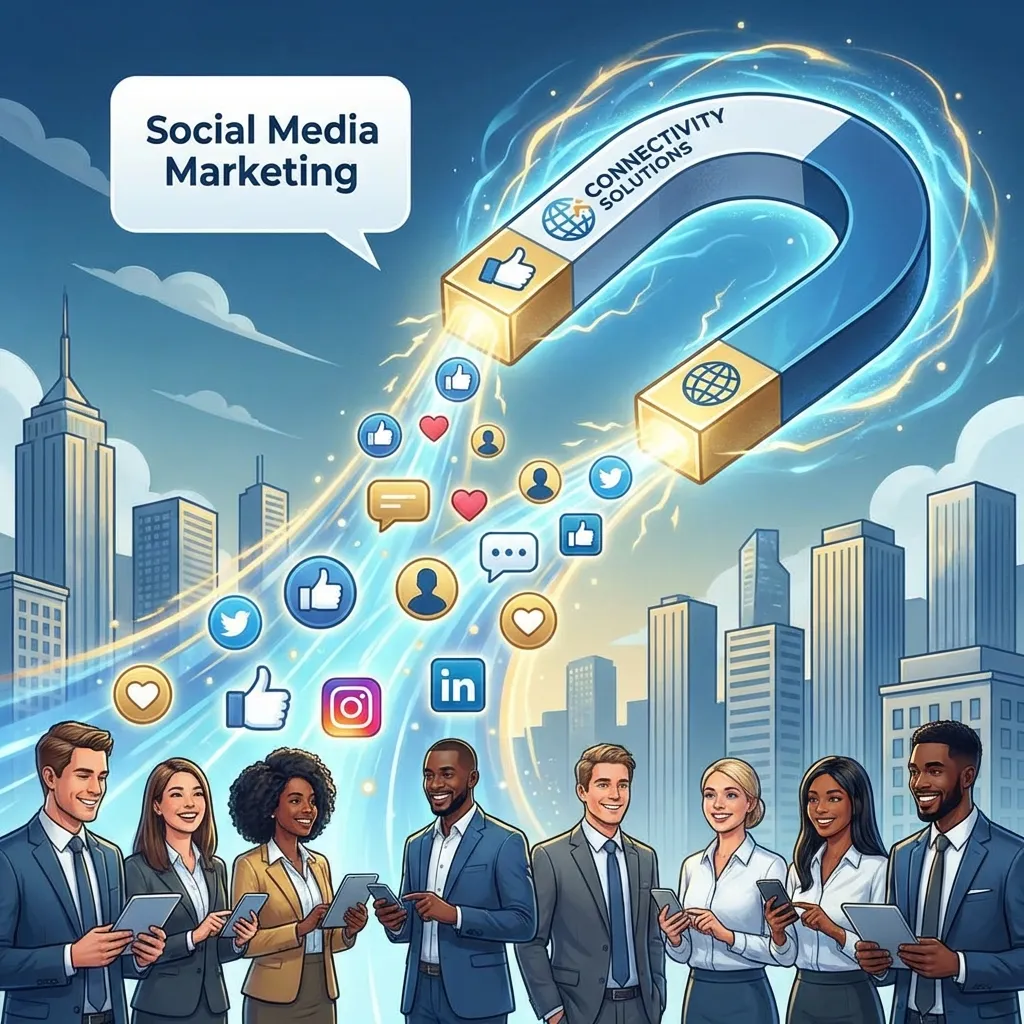
Definition: The use of social media platforms to connect with an audience to build a brand, increase sales, and drive website traffic.
It's not just about posting; it's about building a strategic presence.
- 🎯 Build Brand Identity & Awareness
- 🤝 Foster Community & Engagement
- 📈 Drive Leads & Sales
The Major Platforms: A Snapshot
Each platform has a massive, distinct user base and purpose.
2.9B+ users
The Global Town Square
1B+ users
The Visual Showcase
830M+ users
The Professional Network
⚡ Key Insight: Your target audience determines your platform choice.
Facebook: The Behemoth
With the largest user base, Facebook offers unparalleled reach.
- Facebook Pages: Your business's digital storefront. A central hub for updates, customer service, and brand info.
- Facebook Ads: Powerful, granular targeting based on demographics, interests, and behavior. Essential for reaching new customers.
- Facebook Groups: Build a dedicated community around your brand or a specific interest, fostering loyalty and engagement.
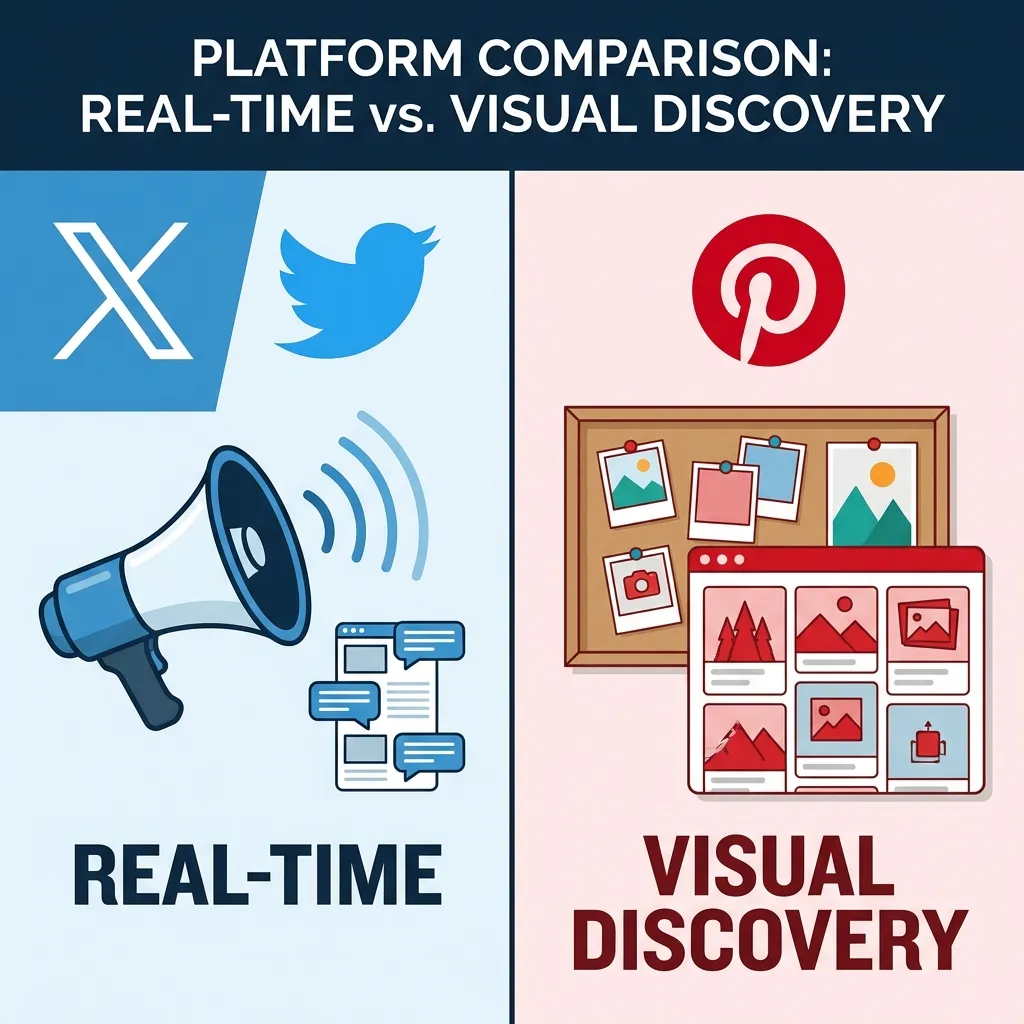
Twitter vs. Pinterest
Twitter 📣
Real-time information and conversation.
- Use Case: Breaking news, customer service, public conversation.
- Twitter Ads: Promote tweets to a wider, targeted audience.
- Twitter Cards: Attach rich media (images, videos) to tweets for higher engagement.
Pinterest 📌
Visual discovery and inspiration.
- Use Case: E-commerce, lifestyle, DIY, recipes, home decor.
- Promoted Pins: Native ads that appear in user feeds and search results.
- Rich Pins: Automatically sync info from your website (like price and stock) to your Pins.
Instagram vs. LinkedIn
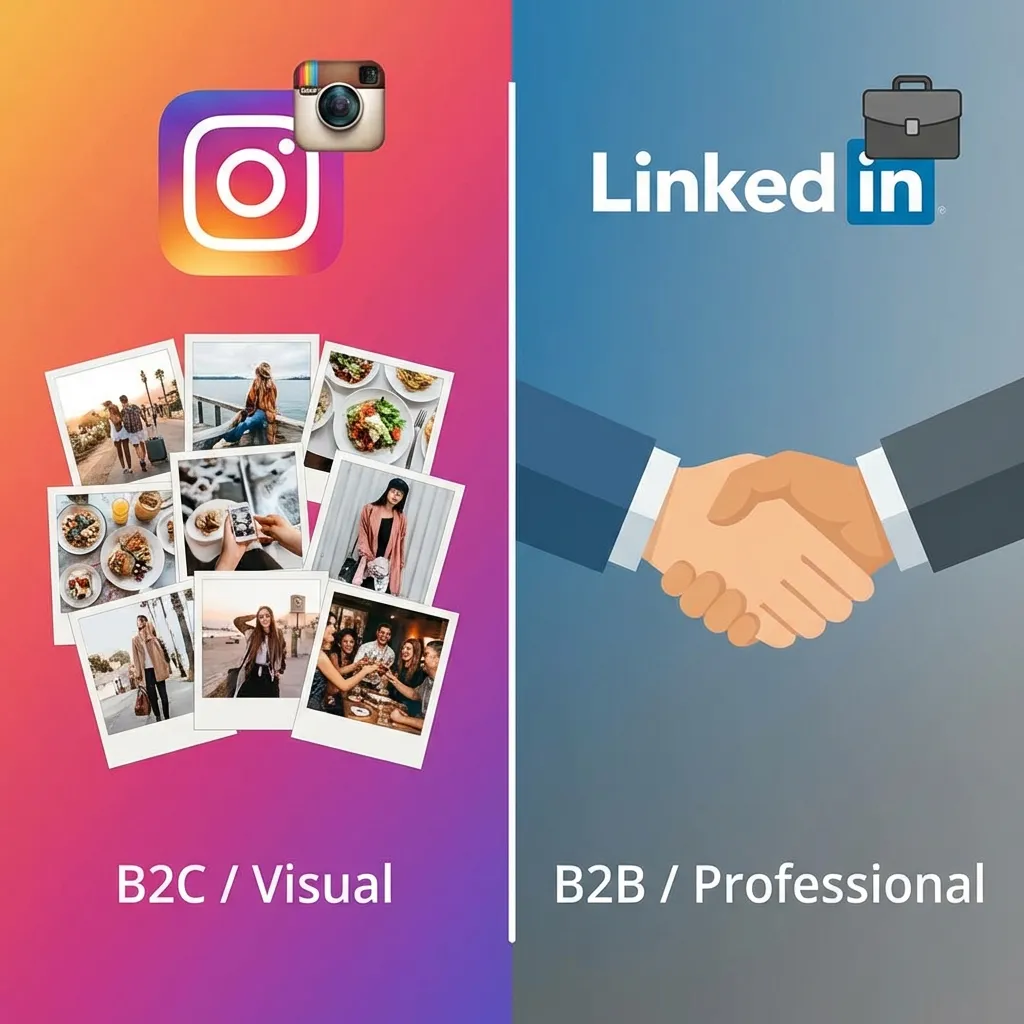
Instagram 📸
Visually-driven brand storytelling (B2C focus).
- Use Case: Fashion, food, travel, lifestyle products.
- Instagram Ads: Leverages Facebook's powerful ad-targeting system.
- Instagram Stories: Ephemeral content for authentic, behind-the-scenes engagement.
LinkedIn 👔
Professional networking and B2B marketing.
- Use Case: B2B lead generation, industry leadership, recruitment.
- Company Pages: Establish your professional brand presence.
- Sponsored Content: Promote posts to a professional audience based on job title, industry, etc.
Activity: Platform Strategy
Scenario 🔍
A new boutique hotel is opening in Pokhara. Their target audience is international tourists (25-45) and local newly-weds looking for "staycations."
Question: Which TWO platforms should they prioritize for their launch campaign, and what type of content should they create for each?
Hint: Think about where people go for visual inspiration vs. where they might look for deals or community reviews.
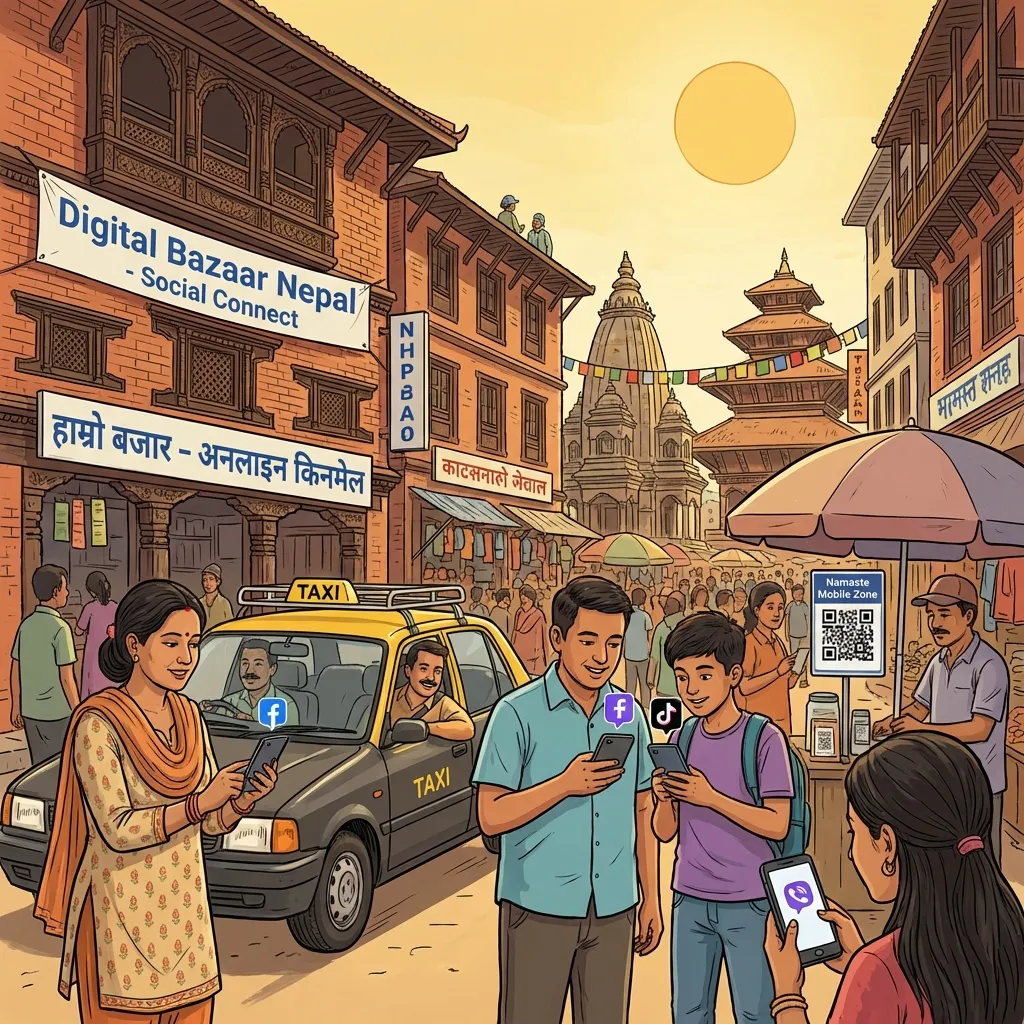
Social Marketing in Nepal 🇳🇵
Social media is a primary marketing channel for Nepali businesses.
- Facebook: The dominant platform. Used for everything from brand building to direct sales via Messenger. Targeted ads are highly effective.
- Instagram: Hugely popular with the youth. Ideal for visual brands (cafes, fashion) and influencer marketing.
- TikTok: Rapidly growing. Businesses use it for short, engaging, and often viral video content.
- YouTube: Key for video marketing, including product reviews, tutorials, and brand storytelling.
- Viber: More than a messaging app. "Viber Communities" are used by brands like Daraz and Foodmandu to build loyal followings and announce deals.
Practical Application: A Nepali E-Commerce Store
Example: "Himalayan Handmade"
A store selling Nepali handicrafts online.
- Instagram Strategy: High-quality photos and Reels showing artisans at work. Use Stories for Q&A sessions and behind-the-scenes content. Collaborate with Nepali travel influencers.
- Facebook Strategy: Run targeted ad campaigns for users interested in "handmade goods" and "Nepal travel." Use a Facebook Page as a customer service portal and to post artisan stories.
- Viber Strategy: Create a Viber Community for loyal customers to share exclusive "early bird" access to new products and special discount codes.
Key Takeaways
- 📊 Social marketing is a strategic effort to build a brand, engage a community, and drive sales.
- 🎯 There is no "one-size-fits-all" platform. The best choice depends on your audience, product, and goals (B2B vs. B2C, visual vs. text).
- ⚡ Key features like targeted ads, community-building tools (Groups), and rich media formats (Stories, Rich Pins) are crucial for success.
- 🇳🇵 In Nepal, a multi-platform approach focusing on Facebook, Instagram, and emerging channels like TikTok and Viber is essential for maximum reach.
Thank You
Any questions?