Unit 5.case
Case Study: Google Ads for a Kathmandu Electronics Retailer

Learning Objectives
By the end of this case study, you will be able to analyze a real-world application of the concepts covered in Unit 5.
- ✅ Analyze the impact of account structure on PPC performance.
- ✅ Understand the critical role of conversion tracking, especially for Cash-on-Delivery (COD) models.
- ✅ Evaluate how localized ad creative improves relevance and results.
- ✅ Connect theoretical search advertising concepts to a practical business case in Nepal.
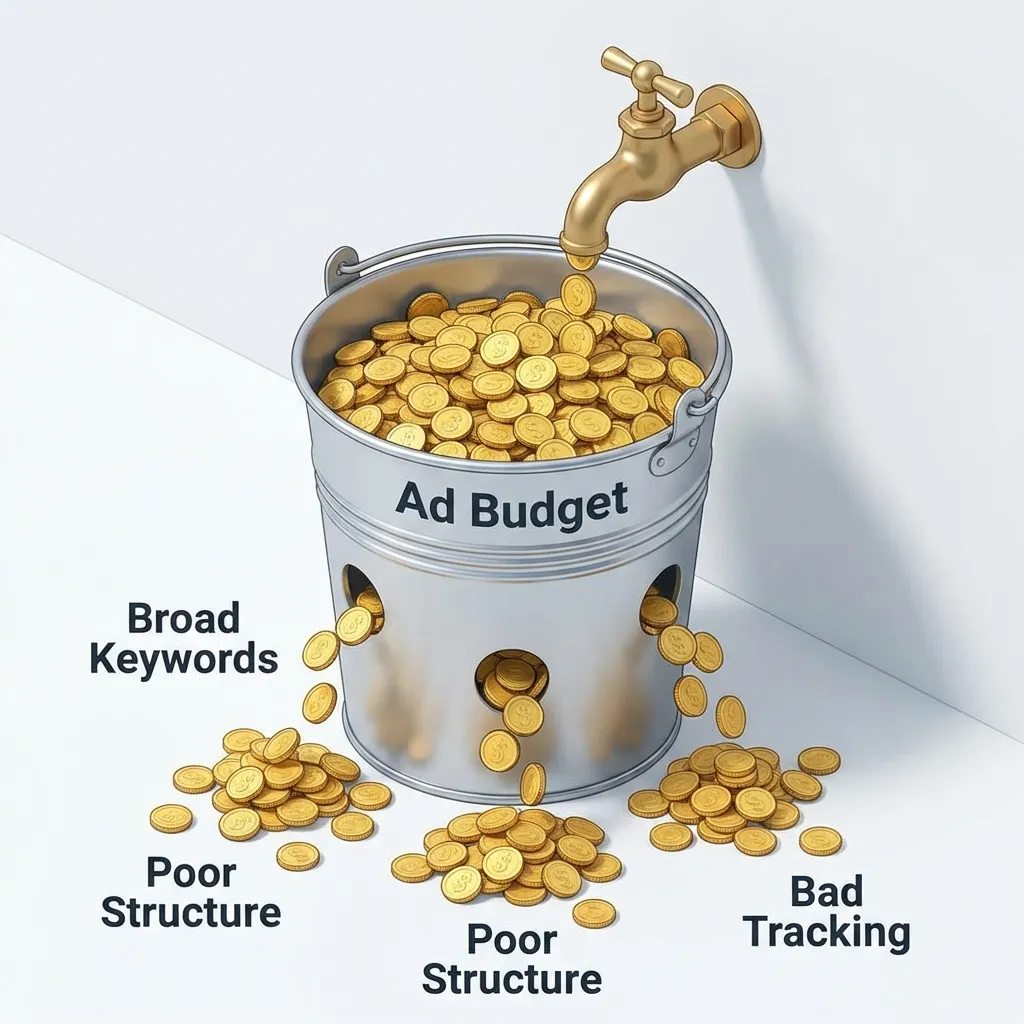
The Challenge: A Common Scenario 📉
An electronics retailer in Kathmandu faced common digital marketing hurdles with their Google Ads account:
- Broad Ad Spend: Budget was spread thinly across brand + generic terms with low purchase intent.
- Poor Structure: A disorganized account meant low relevance between keywords, ads, and landing pages.
- No Measurement: Ineffective tracking made it impossible to calculate true Return on Ad Spend (ROAS).
- Wasted Budget: Significant ad spend was wasted on irrelevant clicks and promoting out-of-stock items.

The Strategy: A Foundational Rebuild 🏗️
The solution was a complete account overhaul focusing on four key pillars.
1. Structure & Targeting
- Tight ad groups for top sellers (SKAG-like).
- Consolidated themed groups for other categories.
- Aggressive search term mining to build a negative keyword list.
- Switched to Phrase/Exact match to reduce waste.
2. Creatives & Measurement
- Localized Responsive Search Ads.
- Implemented GA4 E-commerce Tracking.
- Enabled Enhanced Conversions.
- Crucially: Set up Offline Conversion Imports for COD sales.
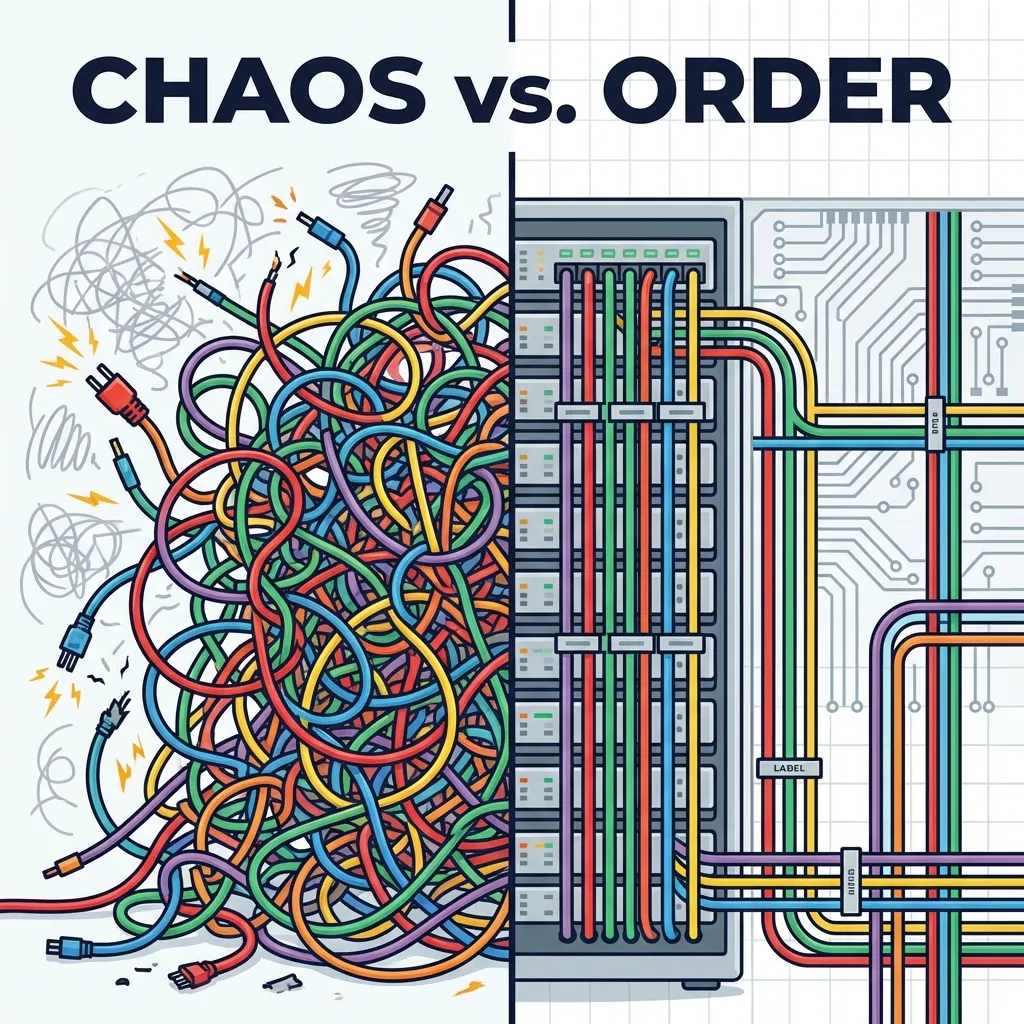
Account Structure: Before vs. After
BEFORE 👎
Ad Group: "All Electronics"
Keywords: `buy electronics`, `tv price nepal`, `samsung phone`
Ad: "Best Electronics in Kathmandu!"
Result: Low relevance, low CTR.
AFTER 👍
Ad Group: "Samsung 4K TV Nepal"
Keywords: `"samsung 4k tv price"`, `[buy samsung smart tv]`
Ad: "Samsung 4K TVs | Official Dealer"
Result: High relevance, high CTR.
Key Takeaway: Granularity links user search intent directly to the most relevant ad and landing page, boosting Quality Score and performance.
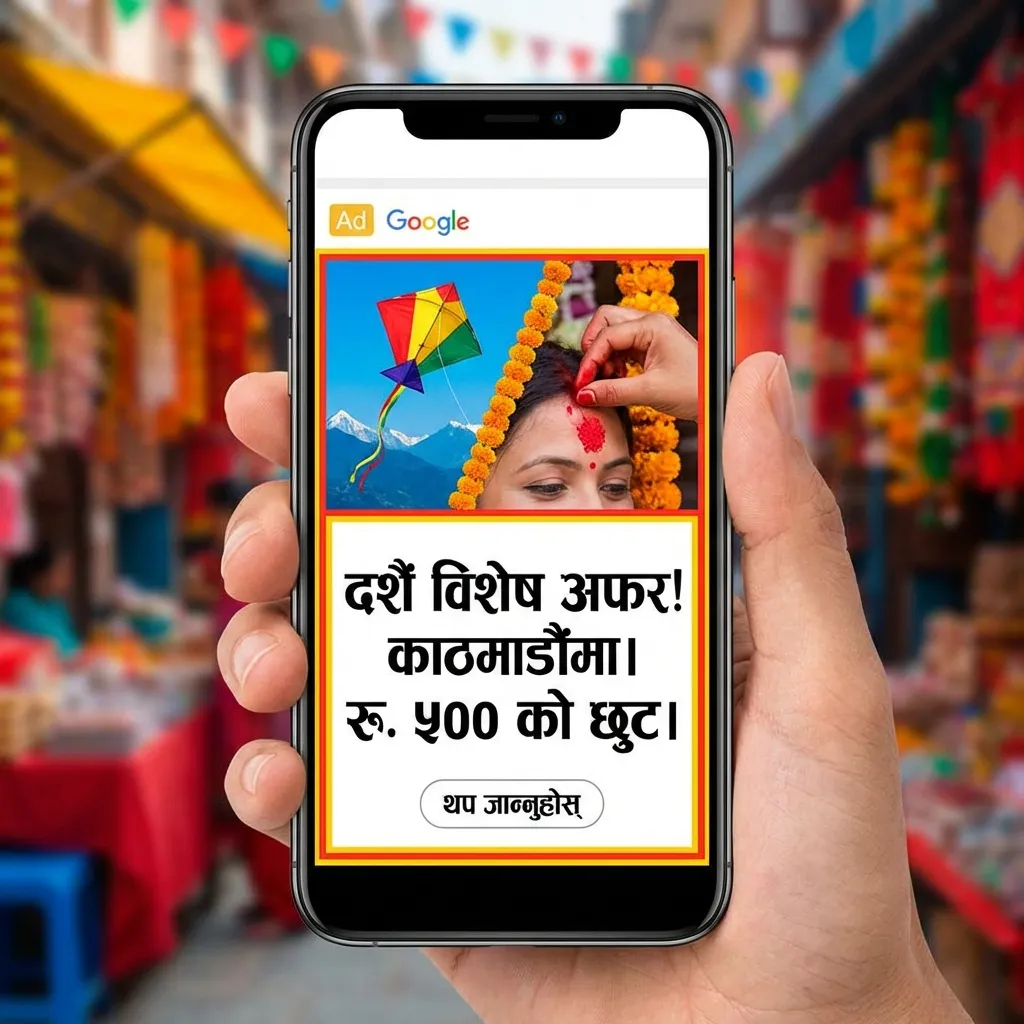
Ad Creatives: Winning with Nepali Context 🇳🇵
Relevance goes beyond keywords. The ads were rewritten to resonate with the local market.
Example: Responsive Search Ad
Headlines:
- Samsung TV - Official Retailer
- Free Delivery in Kathmandu Valley
- EMI Plans Available | 0% Interest
Descriptions:
- Genuine products with brand warranty. Visit our showroom in New Road or order online. Trusted by 10,000+ customers.
- 🇳🇵 Special Dashain Offer: Flat 15% Off! Limited Stock. Buy Now.
This approach builds trust, highlights local value propositions, and leverages cultural events.
The Measurement Revolution: Tracking What Matters 🎯
To truly optimize, the retailer needed to see the full picture of their sales funnel.
GA4 E-commerce
Tracks online credit/debit card purchases and user journey events like `add_to_cart` and `begin_checkout`.
Enhanced Conversions
Uses hashed customer data (email/phone) to improve tracking accuracy and attribute conversions across devices.
Offline Conversion Import
The game-changer for COD! Imports confirmed cash sales back into Google Ads, attributing them to the original ad click.
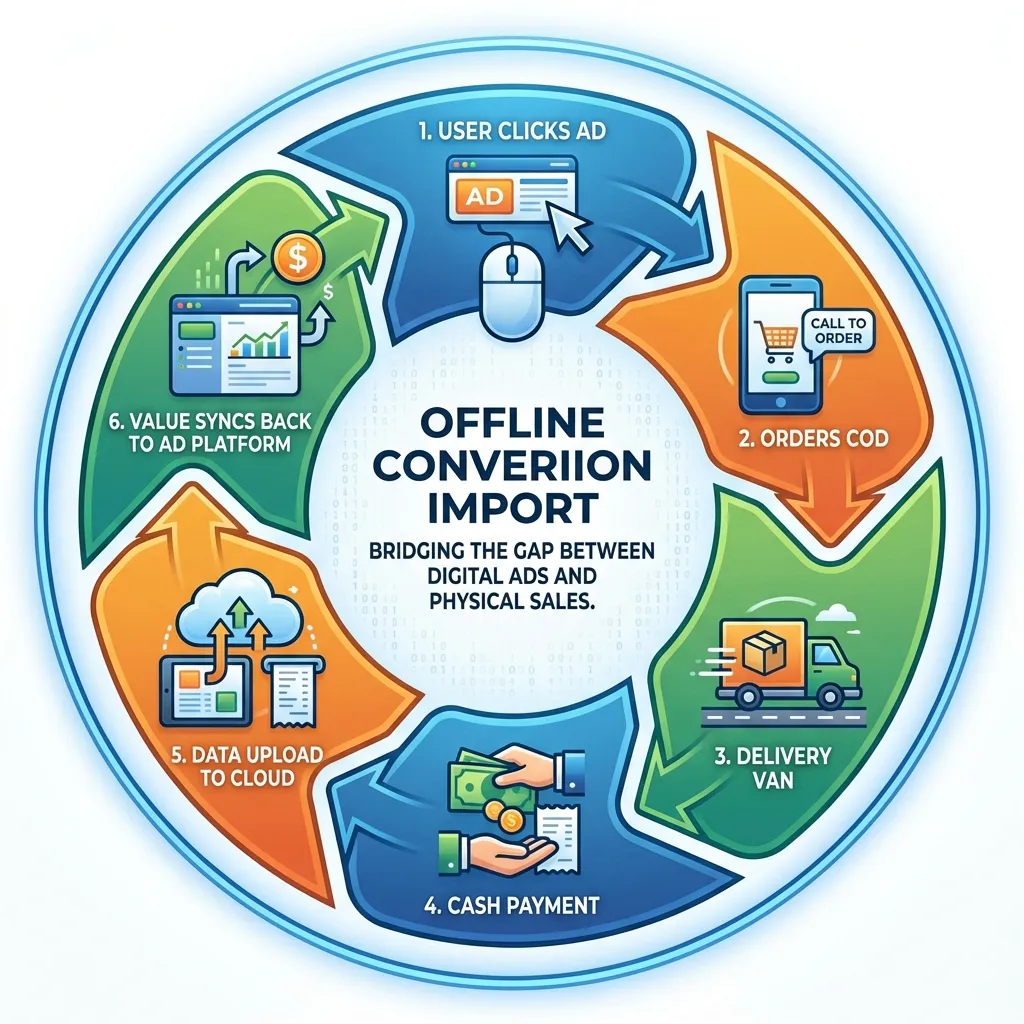
Practical Application: Solving the "COD Problem"
The Problem: In Nepal, a high percentage of e-commerce sales are Cash-on-Delivery (COD). Without tracking these, a campaign's ROAS is severely underestimated because Google Ads only sees an online "lead," not a confirmed "sale."
The Offline Import Workflow:
User Clicks Ad ➡️ Places COD Order Online
(Google Ads records a "lead" with a unique click ID)
Delivery Confirmed & Payment Received ➡️ Sale Data Uploaded to Google Ads
(The click ID is matched, and the "lead" is converted to a "sale" with its actual value)
⚡ Result: Google Ads now optimizes for *actual revenue*, not just online form submissions.
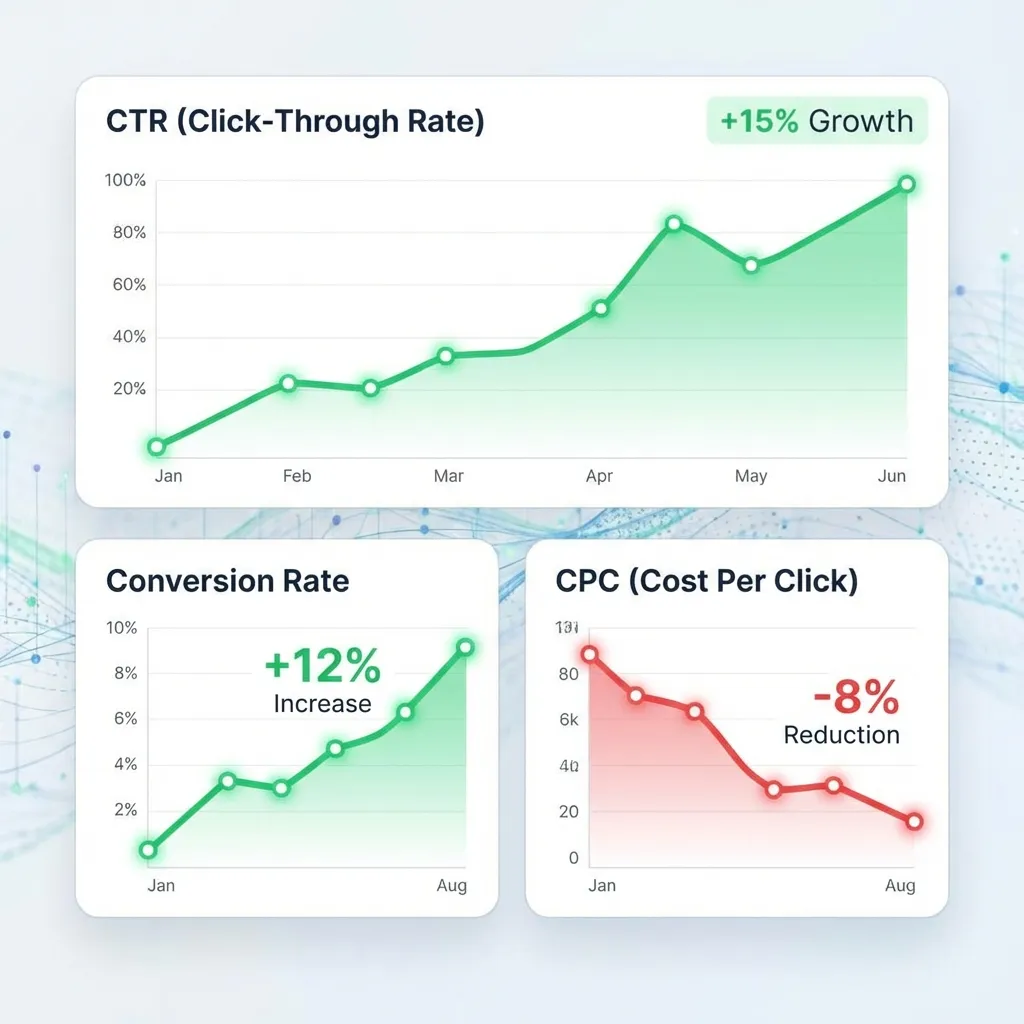
The Results: Data-Driven Success 📊
The strategic changes produced significant, measurable improvements within just 6 weeks.
Key Metric Improvements
- 📈 Click-Through Rate (CTR): +45%
(Higher ad relevance) - 📉 Cost-Per-Click (CPC): -22%
(Improved Quality Score) - 💹 Conversion Rate: +38%
(Better user journey & tracking) - 💰 ROAS: Improved 2.1x
(True measurement & optimization)
Operational Wins
Inventory Sync: A data feed connected to the retailer's inventory system automatically paused ads for out-of-stock items.
Impact: This simple automation drastically reduced wasted ad spend and prevented customer frustration.
Summary: Key Lessons & Unit 5 Connections 🔍
- Structure is Strategy (Ch. 5.2): A granular account structure is the non-negotiable foundation for relevance, performance, and efficient scaling.
- Measurement is Everything (Ch. 5.3): For COD-heavy markets, offline conversion import is essential to calculate true ROAS and make informed budget decisions.
- Contextual Creatives Convert (Ch. 5.1): Localization, trust signals (badges, local offers), and clear value propositions are what turn a click into a customer.
- Relevance Reduces Waste: Tightly matching keywords to ads and landing pages, combined with negative keywords, directly leads to lower CPC and higher ROI.
Thank You
Questions?
Next Topic: Unit 6.1: 'Unit 6 Intro: Social, Mobile, and Local Marketing | IT 204 Notes