Unit 5.2
Digital Marketing Strategies for E-commerce
Learning Objectives
By the end of this chapter, you will be able to:
- ✅ Identify the major digital marketing strategies.
- ✅ Differentiate between Search Engine Optimization (SEO) and Search Engine Marketing (SEM).
- ✅ Describe the purpose of display advertising and email marketing.
What is Digital Marketing?
Definition: Digital marketing encompasses a wide range of strategies and channels used to reach customers online for e-commerce.
Today, we'll explore the core strategies:
- Search Engine Marketing (SEM & SEO)
- Display Advertising
- Email Marketing
- Social Media Marketing
- Content Marketing

1. Search Engine Marketing (SEM) ⚡
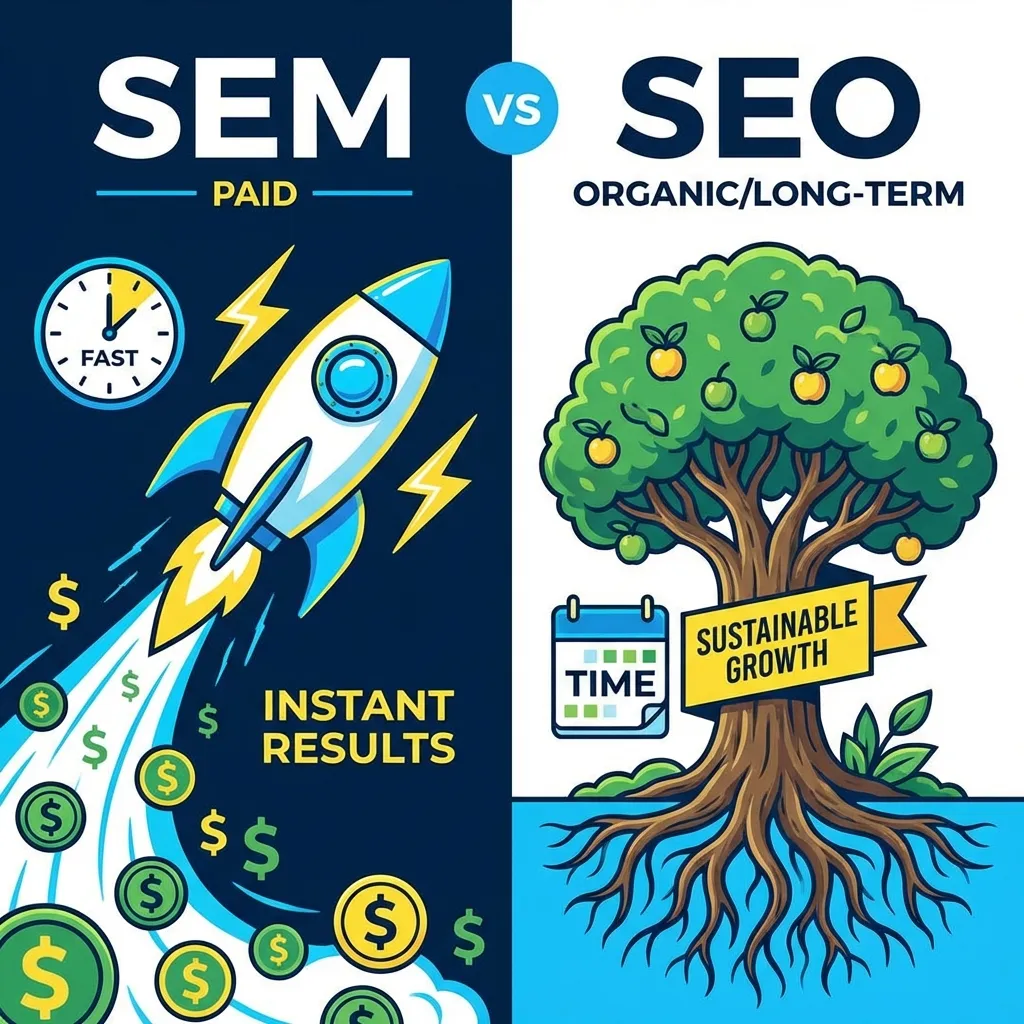
SEM: The practice of marketing a business using paid advertisements that appear on search engine results pages (SERPs).
Think "Pay-Per-Click" (PPC). You pay for visibility to capture customer search intent immediately.
2. Search Engine Optimization (SEO) 🔍
SEO: The process of optimizing your website to get organic, or unpaid, traffic from the search engine results page.
This is a long-term strategy focused on building authority and ranking higher naturally.
SEO vs. SEM: The Showdown
🔍 SEO (Organic)
- Cost: No media spend (but requires time/resources)
- Time: Slower, long-term results
- Trust: Builds high credibility and user trust
- Traffic: Sustainable, organic traffic
⚡ SEM (Paid)
- Cost: Pay-Per-Click (PPC) model
- Time: Immediate, predictable results
- Control: High control over targeting and messaging
- Traffic: Stops when you stop paying
3. Display Advertising 📊
Display Ads: The use of banner ads, images, and videos to advertise on websites, apps, and social media.
Primary Goal: Brand Awareness
- Visually engages users across the web.
- Often used for "retargeting" visitors who have previously been to your site.

4. Email Marketing 📧
Email Marketing: Sending commercial messages to a group of people via email.
It's a powerful tool for building customer relationships, loyalty, and trust. Not just for promotions!
Think: What brand sends you emails you actually open? What makes them effective?
5. Social Media Marketing 📱
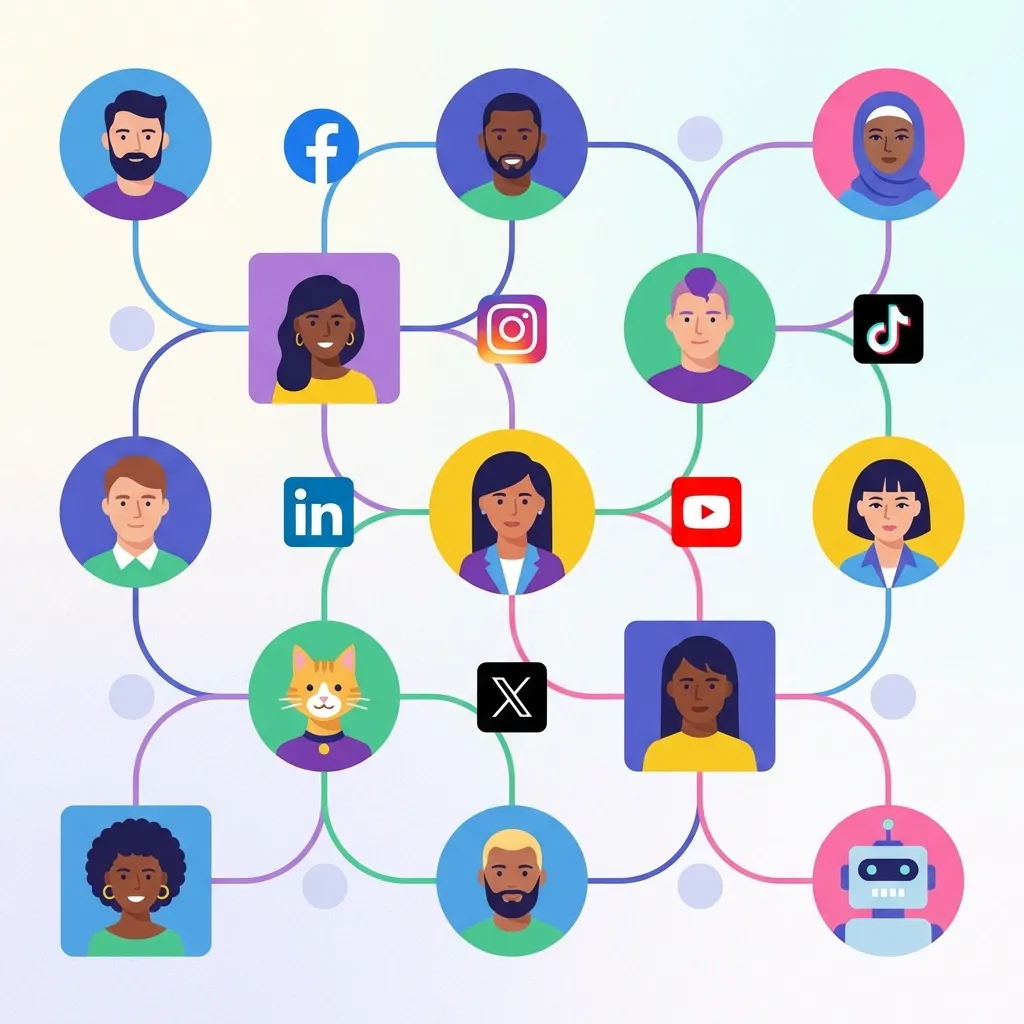
Social Media Marketing: Using social media platforms to connect with your audience to build your brand, increase sales, and drive website traffic.
Key Activities:
- Publishing valuable content
- Engaging with followers and listening to feedback
- Analyzing results and performance
- Running targeted social media advertisements
6. Content Marketing ✍️
Content Marketing: Creating and sharing valuable, relevant, and consistent online content to attract and retain a clearly defined audience.
The goal is to provide value, not just to sell.
Examples:
- Blog Posts & Articles
- Videos & Tutorials
- Infographics & Case Studies
Application: Digital Marketing in Nepal
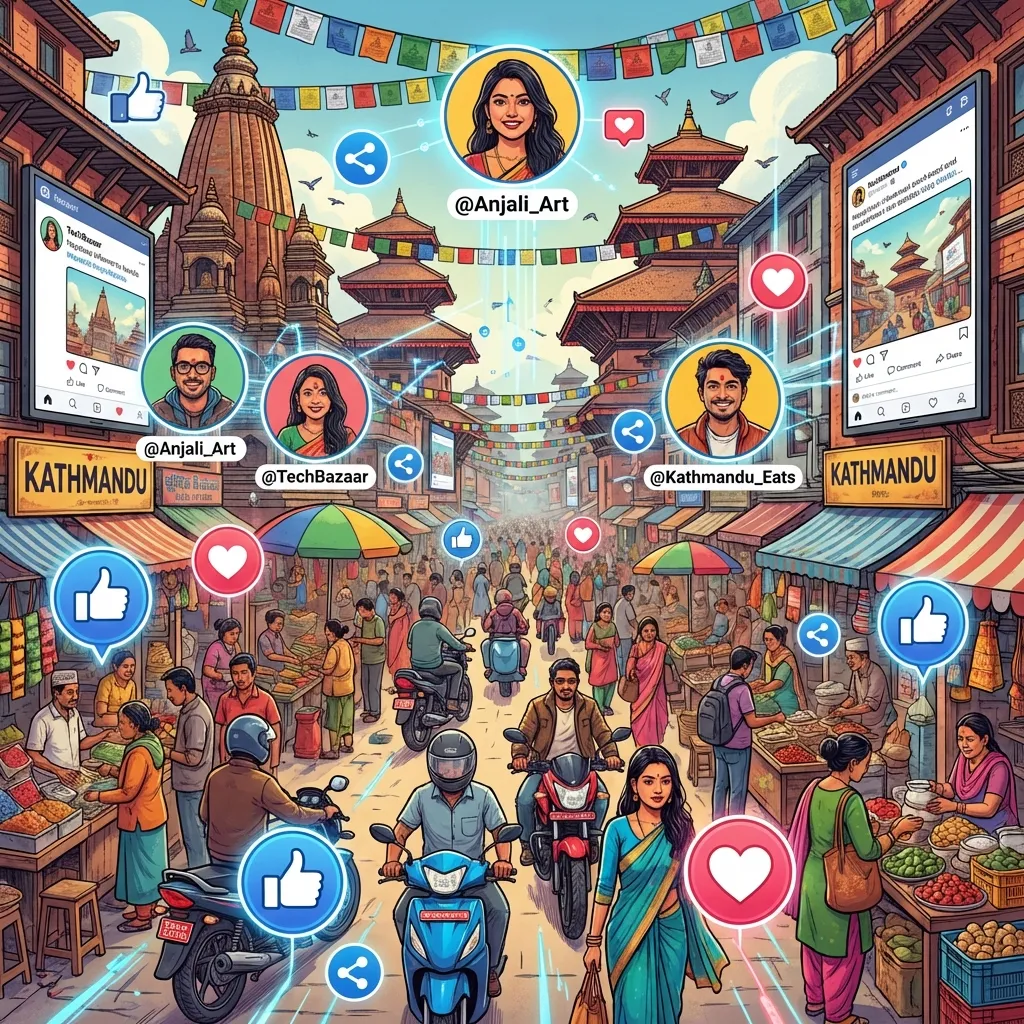
Digital marketing is a rapidly growing field in Nepal. Businesses are leveraging these strategies to reach a wider audience.
Dominant Channel: Social Media is the most popular channel, with Facebook, Instagram, and TikTok leading the way.
- SEO is Growing: As internet usage increases, ranking high on Google is becoming critical for Nepali businesses.
- Influencer Marketing: A very popular strategy to partner with local influencers to promote products.
- Video Marketing: Platforms like YouTube and TikTok are key for creating engaging video content.
Summary & Key Takeaways 🎯
Digital marketing provides a diverse toolkit for e-commerce businesses to attract, engage, and retain customers.
- Search is Key: SEM uses paid ads for immediate results, while SEO focuses on long-term organic growth.
- Build Your Brand: Display, social media, and content marketing are used to build brand awareness across the web.
- Nurture Your Audience: Email marketing is a powerful, direct channel for building customer loyalty and trust.
Thank You!
Any questions?
Next Topic: Unit 5.3: An Introduction to Marketing Technologies (MarTech) | IT 204 Notes