Unit 2.case
Case Study: Daraz Nepal – Transforming Retail Through E-commerce
IT 204: E-Commerce
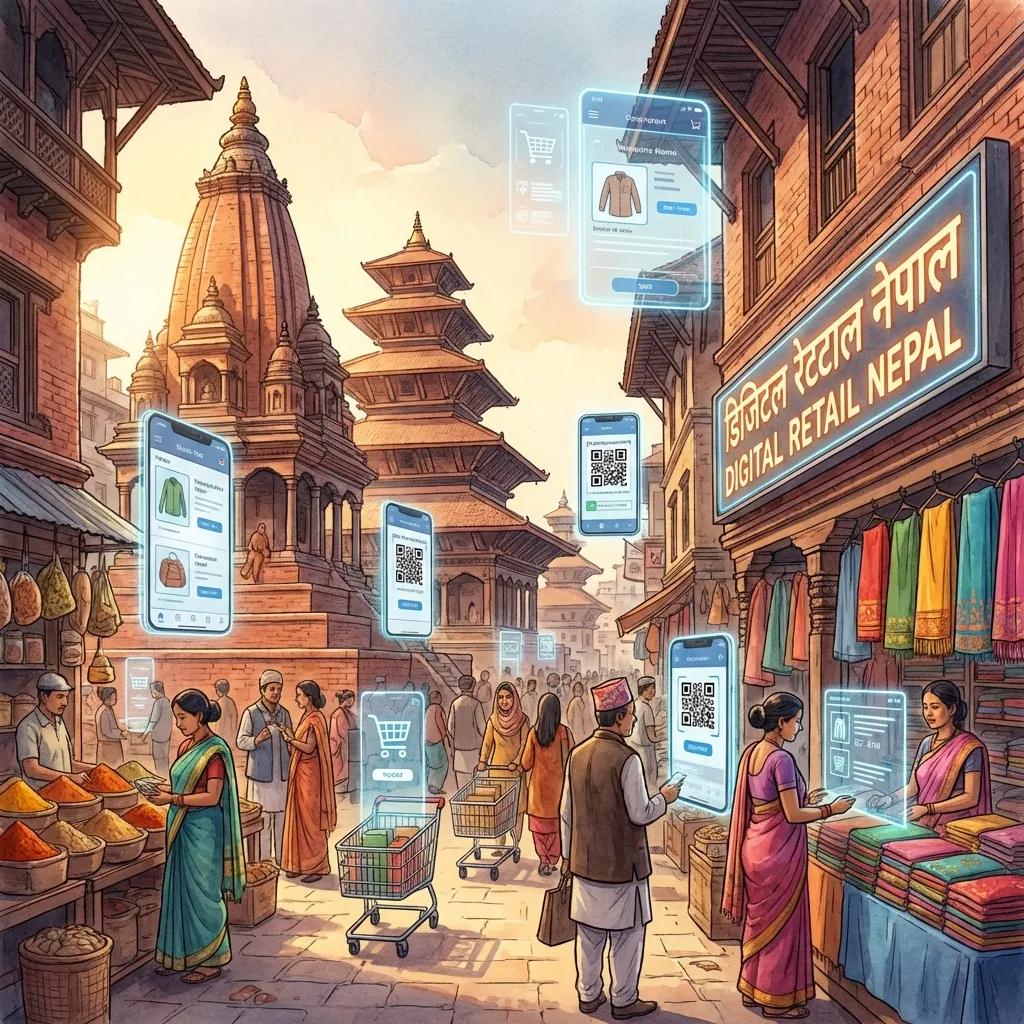
Learning Objectives
By the end of this case study, you will be able to:
- ✅ Analyze how Daraz applies a platform strategy in the Nepali market.
- ✅ Describe the structural and process changes e-commerce introduces to retail.
- ✅ Identify Nepal-specific challenges and Daraz's strategic responses.
- ✅ Evaluate the broader impact of a large e-commerce platform on a developing economy.
The Catalyst: Daraz Nepal
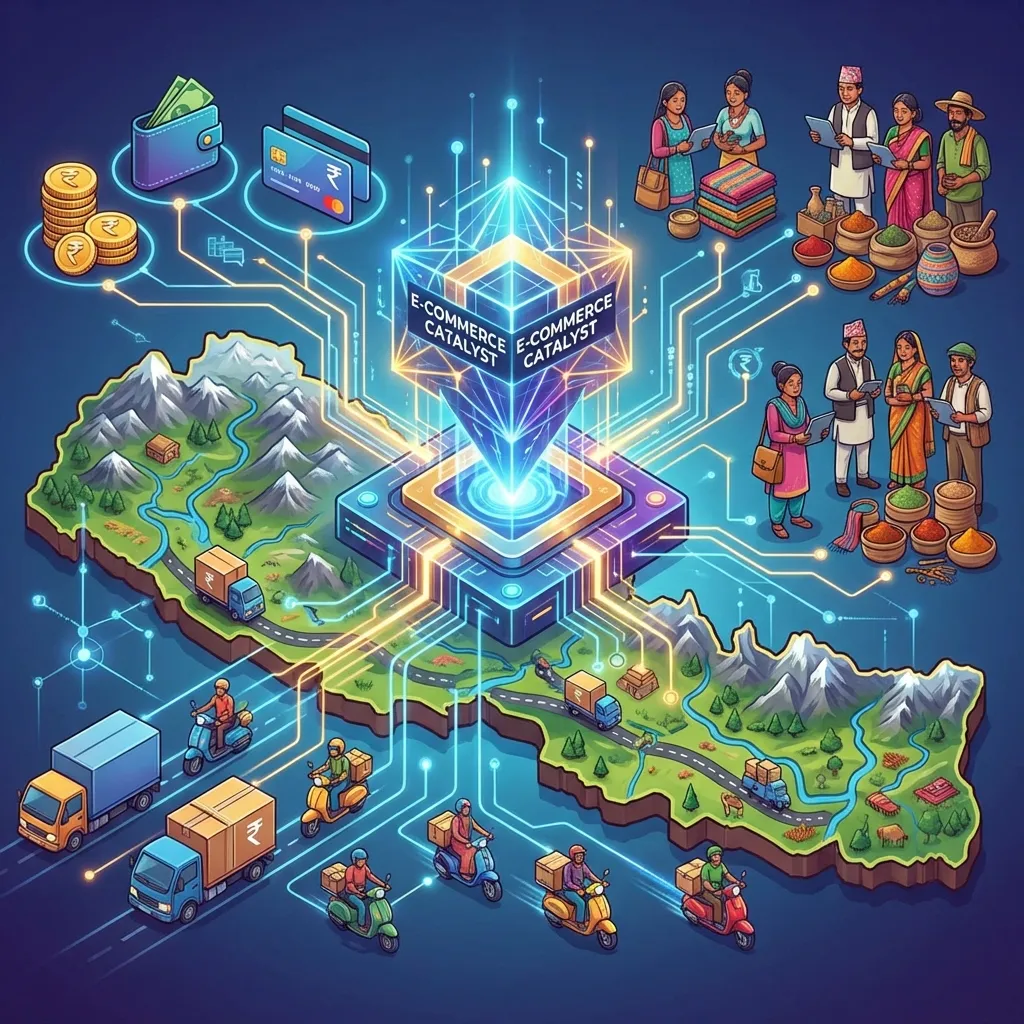
Daraz is Nepal's largest e-commerce marketplace, fundamentally reshaping the country's retail landscape.
Connecting to Unit 2.4: This case demonstrates how Strategy, Structure, and Process are not just theories, but are actively applied and adapted in a real-world Nepali context.
- Accelerated digital commerce adoption nationwide.
- Gained global tech support after joining the Alibaba Group.
- Catalyzed a supporting ecosystem of payments, logistics, and SMEs.
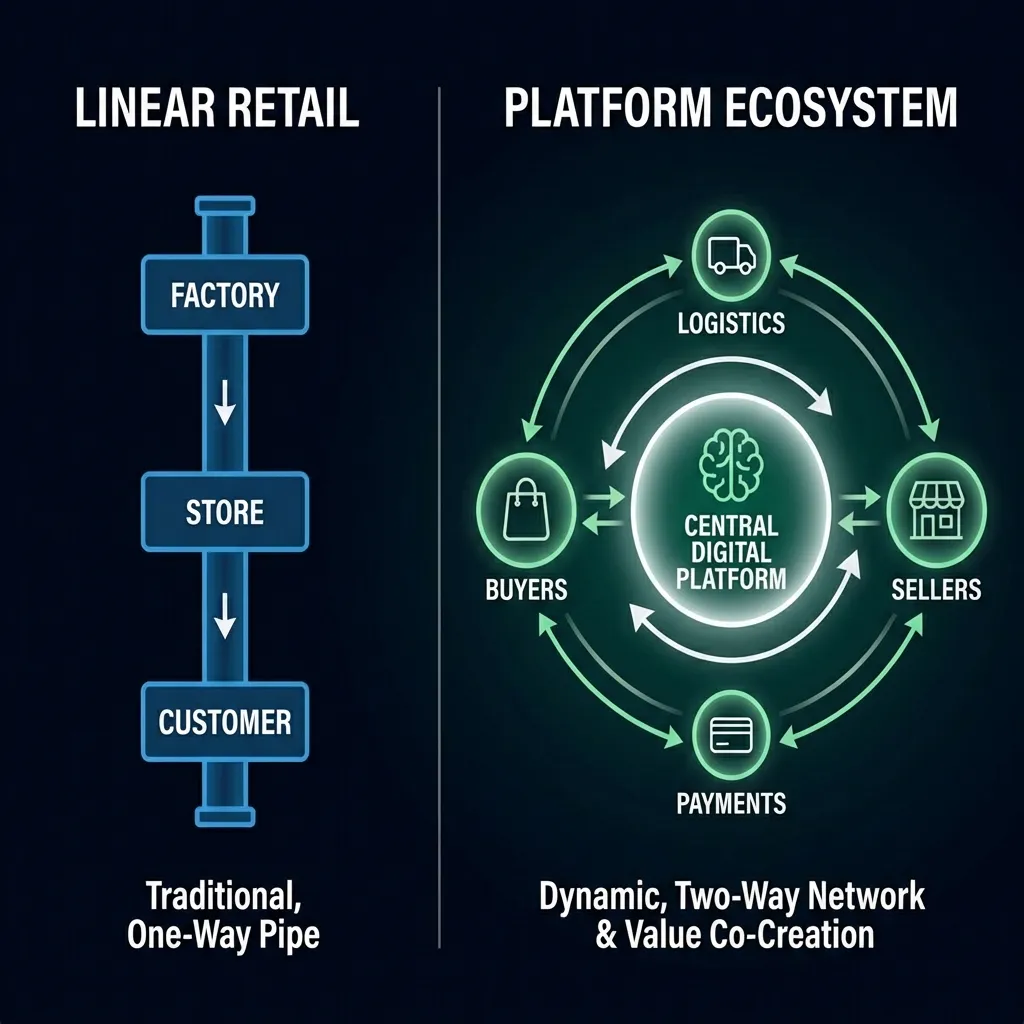
Strategy: The Platform Model 🎯
Platform-First Approach
Daraz doesn't primarily own inventory. Instead, it orchestrates a marketplace.
- Connects thousands of sellers to millions of buyers.
- Value is in the network, not just the products.
Key Strategic Drivers
- Network Effects: More buyers attract more sellers, creating a self-reinforcing loop of value.
- Data-Driven Growth: Optimizes search, recommendations, and pricing using performance data (e.g., 11.11 campaigns).
- Trust Building: Uses buyer protection, reviews, and easy returns to build confidence.

Structure: Agile & Partner-First 🤝
Key Idea: Daraz's structure prioritizes speed and collaboration over traditional retail hierarchies.
Internal Structure
- Cross-functional teams manage categories (assortment, pricing, campaigns).
- In-house tech + Alibaba support allows for rapid feature deployment.
- Result: Flatter, more agile decision-making.
External Partner Ecosystem
- Logistics: 3rd-party couriers & last-mile partners.
- Payments: Integration with eSewa, Khalti, IME Pay, etc.
- Sellers: Empowered via the "Seller Center" platform.
Structure: A Tale of Two Models
Traditional Retail Structure
- Hierarchical
- Siloed Departments (Buying, Marketing, Ops)
- Vertically Integrated (Owns stores, inventory)
- Slower Decision Cycles
Daraz's Platform Structure
- Flatter & Cross-Functional
- Integrated Category Teams
- Partnership-Driven (Logistics, Payments)
- Rapid, Agile Cycles
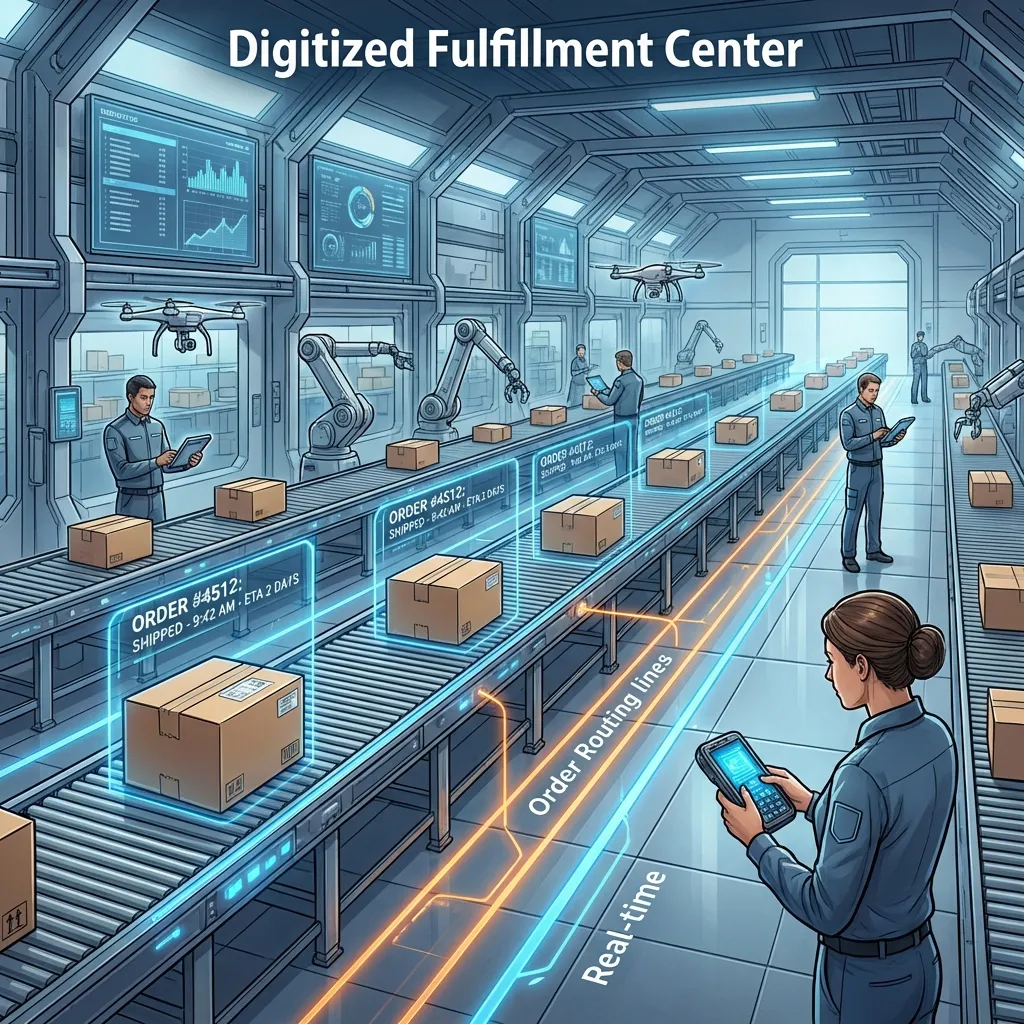
Process: Digitized & Automated ⚡
Digital processes are the engine that allows the platform to operate at scale.
Order-to-Fulfillment
- Automated order routing
- WMS-driven picking
- Real-time tracking
Marketing & Sales
- Always-on campaigns
- A/B testing for UX
- Event-led surges (11.11)
Customer Service
- Digital help centers
- Proactive notifications
- Standardized SLAs
Benefit: Faster cycle times, better visibility, and a lower per-order handling cost at scale.
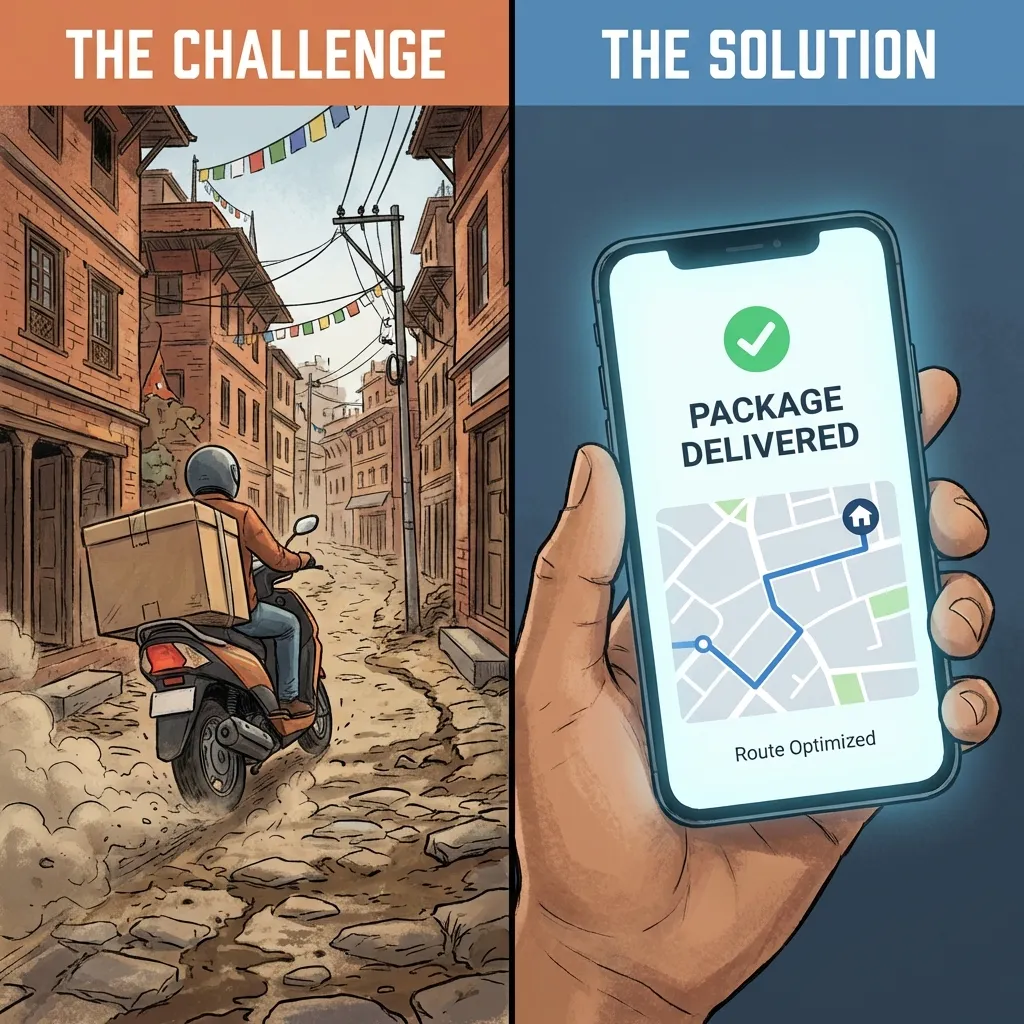
Practical Application: Tackling Nepali Hurdles 🇳🇵
The Challenge
Last-Mile Complexity: Difficult terrain and inconsistent addressing systems.
Trust & COD Dominance: High reliance on Cash-on-Delivery due to low trust in online payments.
Counterfeit Risk: A common issue in open marketplaces.
SME Enablement: Small businesses often lack digital skills and capital.
Daraz's Response
Solution: Partnering with local couriers and using zone-based routing.
Solution: Offering robust buyer protection and easy returns to reduce perceived risk.
Solution: "Official Store" program (DarazMall) and seller audits.
Solution: Providing extensive training, onboarding support, and access to financing partners.
Outcomes and Broader Lessons 📊
Behavior Shift
Consumers now increasingly discover, compare, and purchase online.
Traditional retailers are being pushed towards omnichannel models.
Capability Shift
Logistics, data analytics, and customer experience (CX) have become key differentiators.
Advantage is no longer just about physical location or assortment.
Policy Implications
Highlights the need for clearer e-commerce regulations.
Stresses the importance of reliable national digital infrastructure.
Key Takeaways 🔍
- Platforms scale faster: Network effects are a more powerful growth engine than traditional, single-retailer models.
- Context is King: In a market like Nepal, solving for logistics and building trust are core strategic pillars, not afterthoughts.
- Agility Wins: Continuous experimentation with pricing, user experience (UX), and promotions creates a compounding competitive advantage.
Thank You
Next Topic: Unit 2: "Case Study: Hamrobazar – C2C Classifieds as a Durable Business Model