Input Devices: Biosensors, Scanners, and Digitizers
Today's Learning Objectives
- ✅ Explain how biosensors, scanners, and digitizers capture physical data for business systems.
- ✅ Analyze the application of these devices across Finance, HR, Operations, and Marketing.
- ✅ Evaluate the impact of advanced data capture on business efficiency and decision-making.
- ✅ Relate these technologies to real-world business scenarios in Nepal.
Beyond the Keyboard & Mouse
Modern businesses need to capture data from the physical world, not just from keystrokes. This is where specialized input devices become critical.
🧬 Biosensors
Capturing biological and environmental data.
📄 Scanners
Capturing visual data from documents and objects.
✍️ Digitizers
Capturing analog actions like drawing or signing.
Biosensors: The Human-Computer Link
How they work: Biological Element ➡️ Transducer ➡️ Digital Signal
Biosensors: Applications Across Business
⚙️ Operations & 🤝 HR
- Worker Safety: Wearable biosensors for truck drivers or factory workers to monitor fatigue and prevent accidents.
- Employee Wellness: Smart watches in corporate wellness programs to track activity and stress, helping HR design better support initiatives.
- Access Control: Fingerprint or iris scanners (a type of biosensor) for secure access to sensitive areas.
📊 Marketing & 💰 Finance
- Neuromarketing: Using EEG biosensors to measure subconscious emotional responses to advertisements or product designs.
- Insurance: Health data from wearables allowing for personalized insurance premiums (raises important ethical questions).
- Food Safety: Biosensors in the supply chain to detect contaminants in food products.
Data Scanners: The Digital Eye
Scanners are fundamental tools for converting physical information into digital assets, enabling automation and efficient data management.
Image Scanners
Digitizing photos, invoices, contracts, and other paper documents.
Barcode Scanners
Reading product codes for inventory and point-of-sale systems.
QR Code Scanners
Linking physical items (posters, products) to online information.
Scanners in Operations & Finance
Case Study: A Retail Supermarket
⚙️ Operations (Inventory & Supply Chain)
- Handheld barcode scanners are used to track goods from the moment they arrive at the warehouse.
- Real-time data on stock levels helps automate re-ordering and prevent stockouts.
- At checkout, barcode scanners update inventory instantly.
💰 Finance (Accounting)
- High-speed document scanners digitize supplier invoices and expense receipts.
- This enables automated data entry into accounting software, reducing errors and saving thousands of hours.
- Creates a searchable digital archive for easy auditing.
Scanners in HR & Marketing
🤝 Human Resources
- Recruitment: Scanning resumes to automatically parse information and populate an Applicant Tracking System (ATS).
- Onboarding: Digitizing employee documents (citizenship, contracts, certificates) for secure, centralized digital records.
- ID Management: Creating employee ID cards with scannable barcodes or QR codes for access and attendance.
📊 Marketing
- Campaigns: QR codes on product packaging that link customers to "how-to" videos or promotional offers.
- Events: Scanning QR codes on attendee badges to collect leads, track session attendance, and share information.
- Market Research: Scanning barcodes of competitor products in-store to quickly look up pricing and information.
The Power Behind the Scan: OCR
Discussion: How does OCR transform a business role?
An accountant moves from being a data entry clerk to a data analyst.
An HR manager can instantly search thousands of employee files for specific qualifications instead of manually checking paper records.
Digitizers: Capturing Human Action
Graphics Tablets
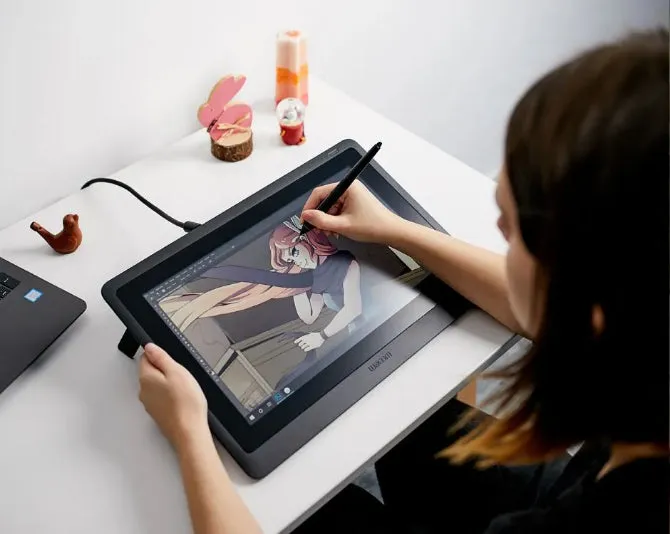
Used by designers for creating digital art, logos, and marketing materials.
Signature Pads
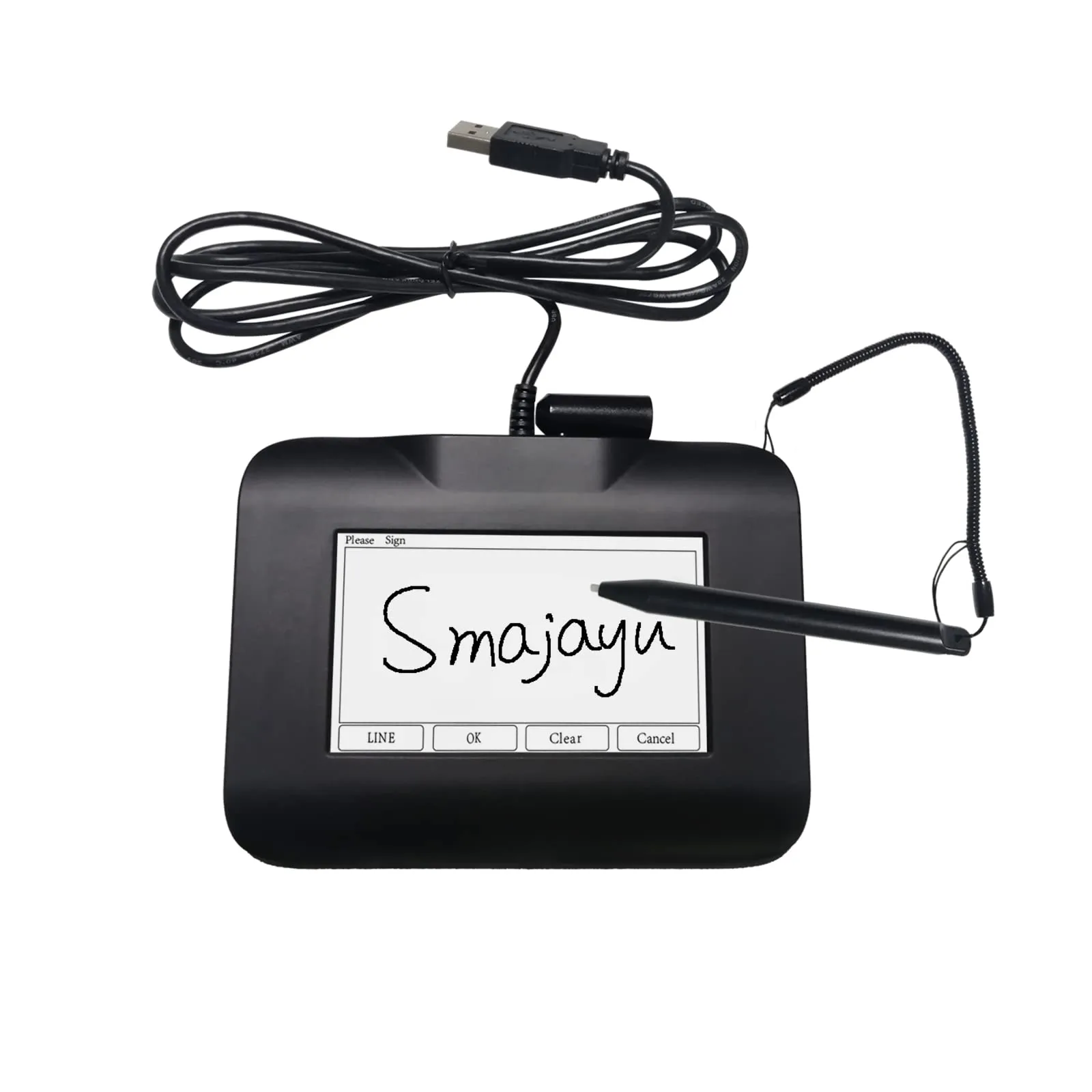
Used in banking, logistics, and retail for capturing legally-binding electronic signatures.
Digitizers Across the Business
💰 Finance & Legal
Signature pads at bank counters to authorize transactions and open accounts. Essential for paperless contracts and agreements.
⚙️ Operations & Logistics
Delivery personnel use rugged tablets with digitizers to capture proof-of-delivery signatures. Engineers use them to annotate digital blueprints (CAD).
📊 Marketing & Design
Marketing teams use graphics tablets (e.g., Wacom) to design everything from logos and ad banners to social media content and product prototypes.
💼 Practical Application: The Nepali Context
Let's look at how these input devices are enabling major businesses in Nepal.
eSewa / Fonepay
QR Code Scanners are the backbone of Nepal's digital payment revolution, used by millions daily. Document scanners are critical for their digital KYC (Know Your Customer) process.
Daraz Nepal
Barcode Scanners are essential in their warehouses for tracking millions of items, ensuring accurate order fulfillment. Signature Digitizers are used by delivery staff for proof of delivery.
Chaudhary Group (CG)
In manufacturing, Barcode Scanners track product batches on the production line for quality control. They likely use Document Scanners extensively for managing supply chain paperwork.
Summary & Key Takeaways
- ✅ Input devices are the sensory organs of a business, capturing vital data from the physical world to fuel digital processes.
- ✅ Scanners and OCR are workhorses of automation, transforming core functions in Finance (invoices), Operations (inventory), and HR (records).
- ✅ Digitizers enable paperless workflows (e-signatures) and empower creative departments (digital design), adding efficiency and value.
- ✅ The strategic goal is always to convert this captured data into actionable insights for smarter, faster business decisions.
Thank You
Any Questions?
Next Topic: Input Devices: Microphones, Cards, Speech, and Vision