Unit 5.3
Influencer Marketing: Types, Selection, and Collaboration
Learning Objectives
By the end of this chapter, you will be able to:
- ✅ Define influencer marketing and differentiate between influencer tiers.
- ✅ Identify the key criteria for selecting the right influencers for a brand.
- ✅ Outline best practices for effective and authentic influencer collaboration.
- ✅ Analyze real-world examples of influencer marketing campaigns.
What is Influencer Marketing?
A type of social media marketing that uses endorsements and product placements from individuals or organizations who possess:
...an expert level of knowledge or social influence in a specific niche.
Think of it as a modern, more authentic version of celebrity endorsement, built on trust and community.
The Tiers of Influence 📊
Influencers are categorized based on their audience size. Each tier offers unique advantages.
High Reach Tiers
- Mega-influencers: 1M+ followers
- Celebrity-level fame, maximum reach.
- Macro-influencers: 100k - 1M followers
- Established content creators, broad appeal.
High Engagement Tiers
- Micro-influencers: 10k - 100k followers
- Niche experts, strong community trust.
- Nano-influencers: 1k - 10k followers
- Everyday people, hyper-engaged local audience.
Reach vs. Engagement: The Trade-Off
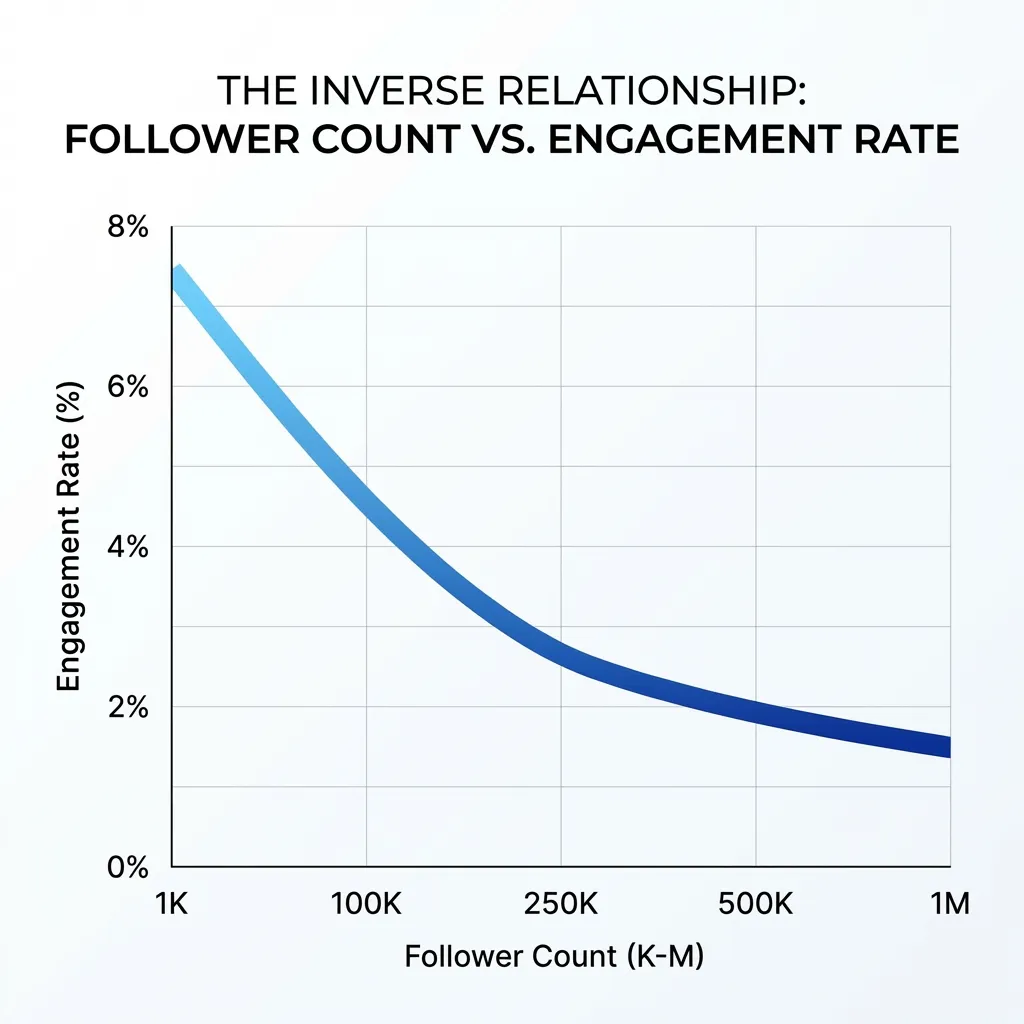
Key Takeaway: While Mega-influencers offer massive reach, Micro and Nano-influencers often deliver higher engagement rates and a better ROI for niche products.
Selecting the Right Influencer 🎯
Finding the perfect partner is crucial for campaign success. Focus on these four key factors:
🔍 Relevance
Is their content niche and audience aligned with your brand's values and target market?
⚡ Engagement
Do their followers actively like, comment, and share their content? Look beyond follower count to see a truly active community.
📊 Reach
How many unique individuals can the influencer potentially expose your brand to?
🤝 Authenticity
Does the partnership feel genuine? Would they use your product even without being paid? Audiences can spot a fake endorsement easily.
Quick check — call on a student
Instructor: Call on one student (or a group). They answer aloud; then reveal on screen.
The Influencer Selection Checklist
Before you partner, ask:
- Does their audience demographic match our customer persona?
- What is their average engagement rate (likes + comments / followers)?
- Have they worked with competitors? If so, how was it handled?
- Do their personal brand values align with our company's mission?
- Is their content high-quality and professional?
Effective Collaboration: Building a Partnership
A successful campaign is a two-way street. Treat it as a partnership, not just a transaction.
-
Set Clear Goals & Expectations
Define KPIs (e.g., reach, clicks, conversions), deliverables, timelines, and compensation upfront.
-
Grant Creative Freedom
You chose them for their unique voice. Let them create content that will resonate authentically with their audience.
-
Build Long-Term Relationships
Ongoing partnerships feel more genuine and build stronger brand association over time.
Collaboration: Do's and Don'ts
✅ Do
- Provide a clear, concise creative brief.
- Trust their expertise on what their audience likes.
- Communicate openly and regularly.
- Comply with disclosure guidelines (e.g., #ad, #sponsored).
❌ Don't
- Micromanage the creative process.
- Focus only on one-off campaigns.
- Ignore the influencer's feedback or ideas.
- Demand approval of every single word and image.
Quick check — call on another student
Instructor: Call on a different student/group. Ask them to explain why.
Practical Application: The Nepali Context
Scenario: "Himalayan Brews"
A new, organic coffee brand from Ilam wants to launch an influencer campaign in Kathmandu Valley.
Task: Which type of influencer would you choose and why?
- A) Mega-influencer: A famous Nepali actor with 2M+ followers.
- B) Micro-influencer: A popular food blogger in Kathmandu known for café reviews (e.g., @mr.foodie_nepal) with 80k followers.
- C) Nano-influencer: Several university students with ~5k followers each who are known as coffee lovers on campus.
Discussion: While the actor (A) offers reach, the food blogger (B) and students (C) offer higher relevance, authenticity, and targeted engagement for this specific product.
Key Takeaways
- Influencer marketing leverages trust and authenticity to connect with audiences.
- There's a strategic trade-off: larger influencers offer reach, while smaller influencers offer higher engagement and niche relevance.
- Selection is critical. Prioritize Relevance, Engagement, and Authenticity over follower count alone.
- Successful collaboration is a partnership built on clear goals, creative freedom, and long-term vision.
Thank You
Next Topic: Unit 5.4: User-Generated Content and Brand Advocacy